
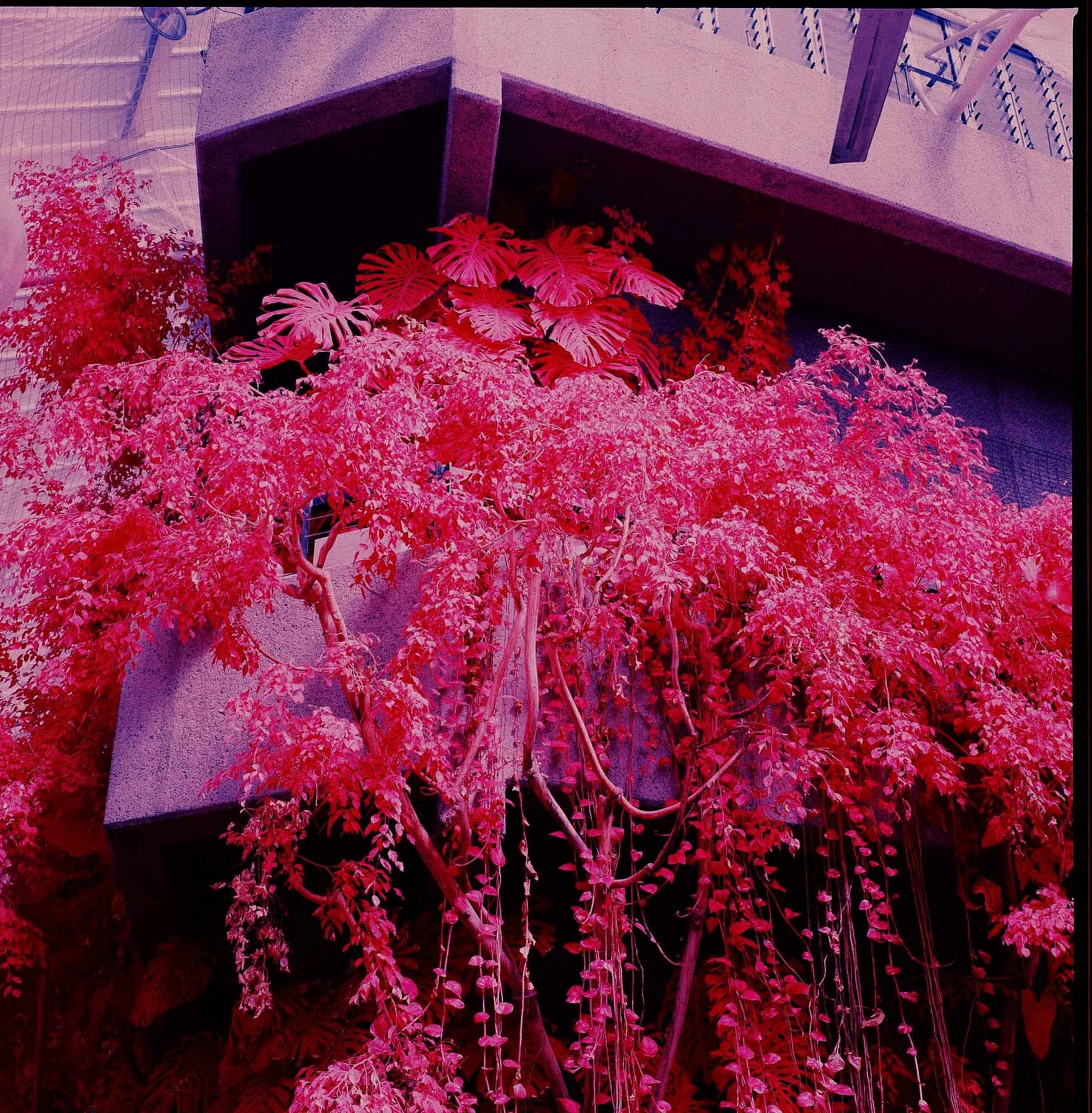
WHAT IS BUILT / WHAT IS ALIVE
Alexander Beer
What Is Built / What Is Alive is an ongoing photographic project by British artist Alexander Beer exploring the relationship between architecture and the natural world.
The project is also a journey of exploration and discovery. Travelling across different countries, landscapes and cultures, Beer seeks out extraordinary places where architecture and nature meet, discovering how different societies have embraced, accommodated and responded to the natural world through the spaces they build.
Beer examines how the two realms of architecture and nature coexist, compete, adapt and ultimately become inseparable. Rather than viewing nature as something surrounding architecture, the work considers it an essential part of the built environment, shaping, inhabiting and transforming the spaces we create.
The journey itself is central to the work. Beyond the buildings, Beer explores the surrounding landscapes, local environments and cultural histories that have shaped them. Each destination offers a new perspective on the relationship between people, place and nature, revealing unexpected connections between architecture and the living world.
The photographs are made using rare Kodak Aerochrome infrared film, which renders vegetation in vivid reds, pinks and magentas. This extraordinary transformation of colour allows familiar environments to be seen differently. Plant life emerges from the architectural structures, challenging the dominance of the man-made and revealing a natural world that is often present but overlooked.
Through this altered perspective, What Is Built / What Is Alive invites us to reconsider the boundaries between what we construct and what grows around us. It imagines a world in which architecture and nature are not opposing forces, but part of the same living environment.
An opportunity to purchase limited edition prints from the first series of work featuring two iconic locations
THE BARBICAN CONSERVATORY, LONDON
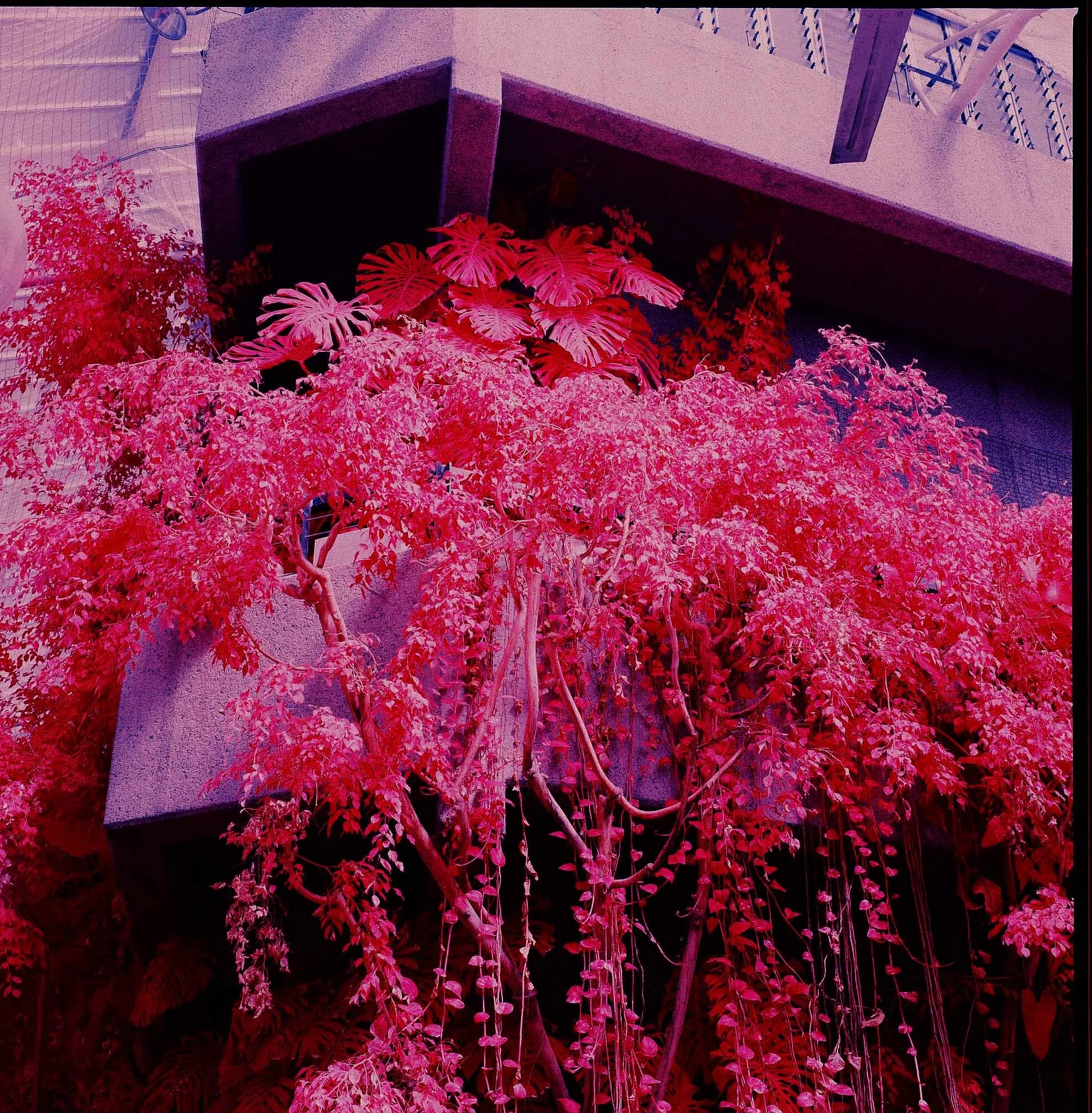
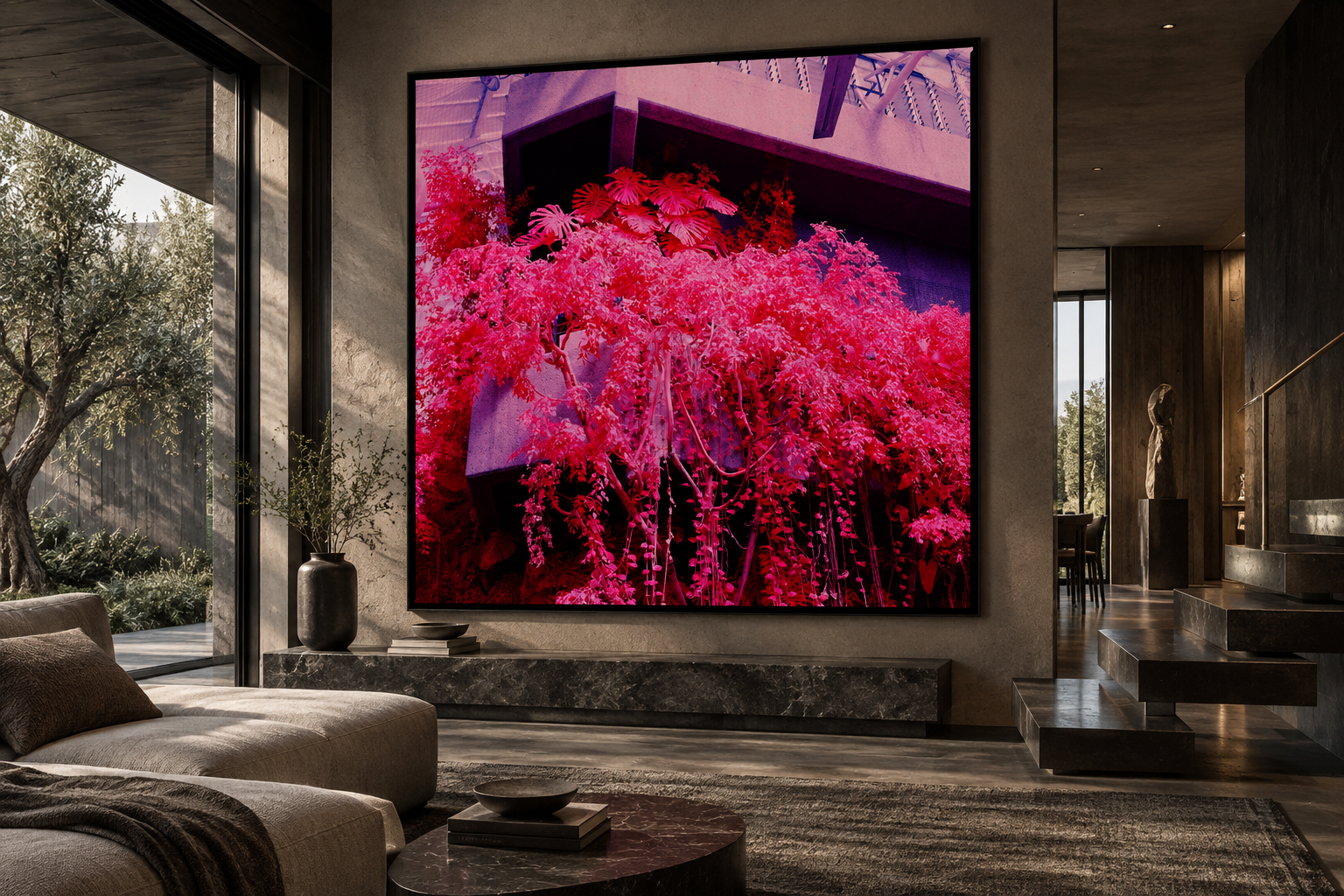
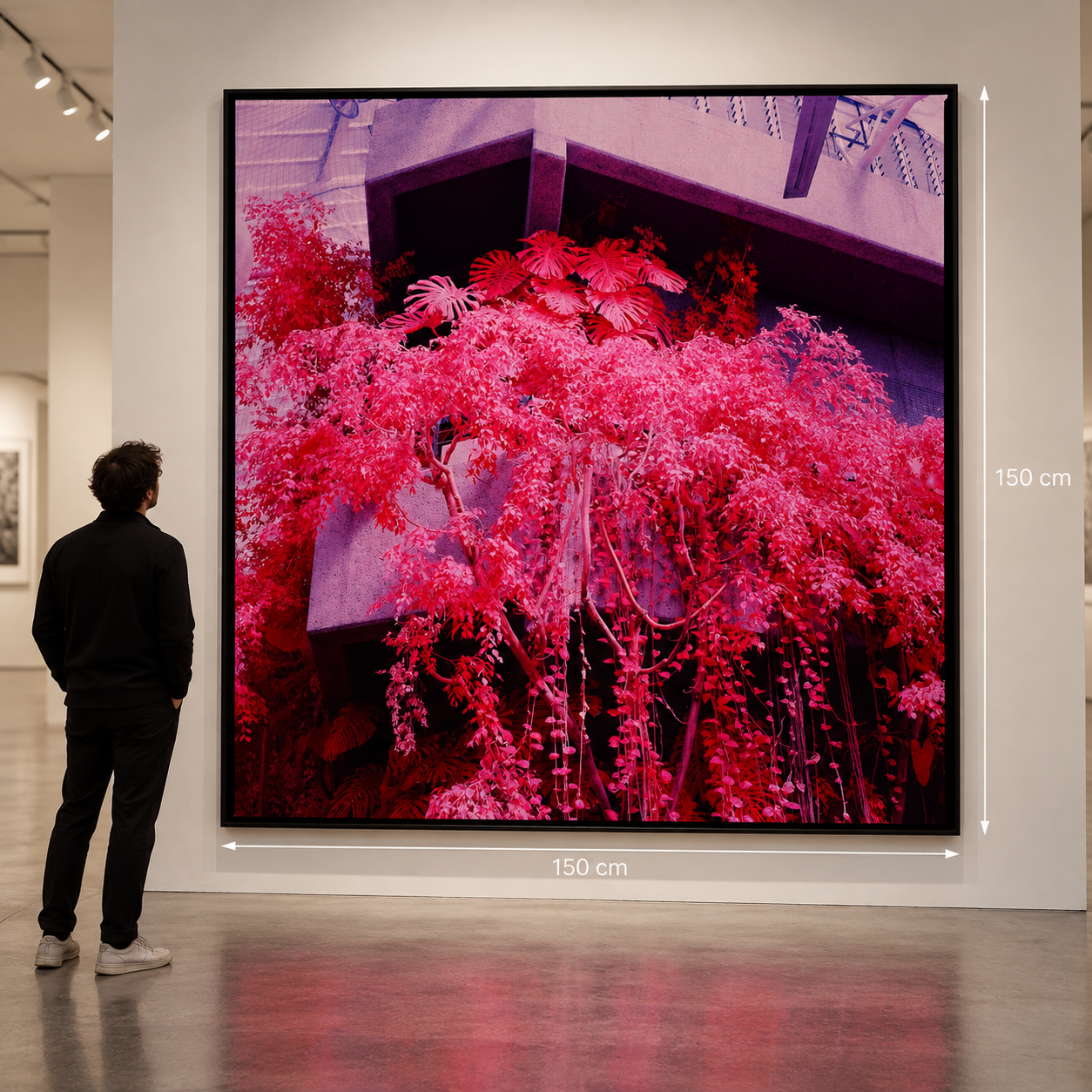
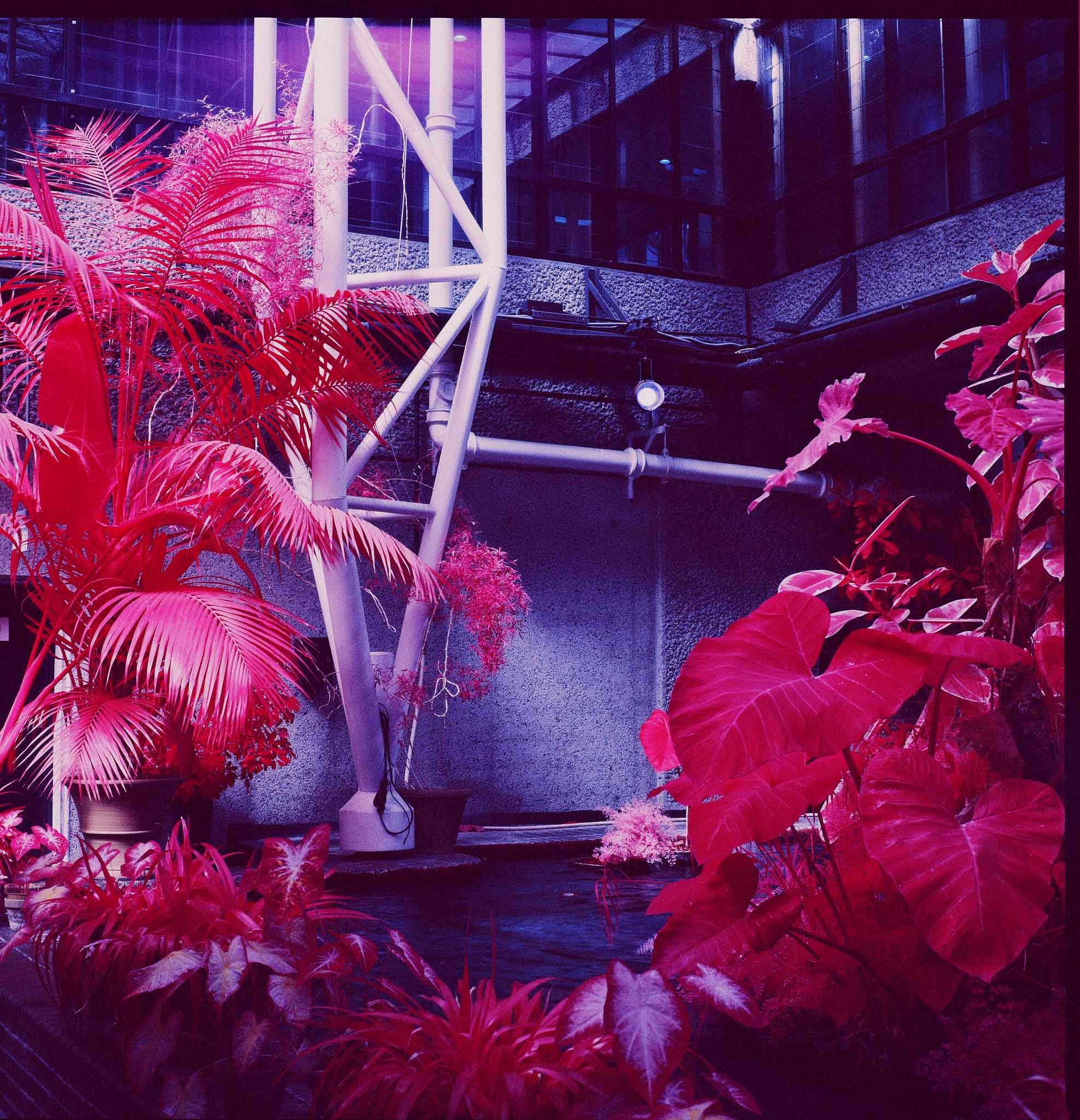
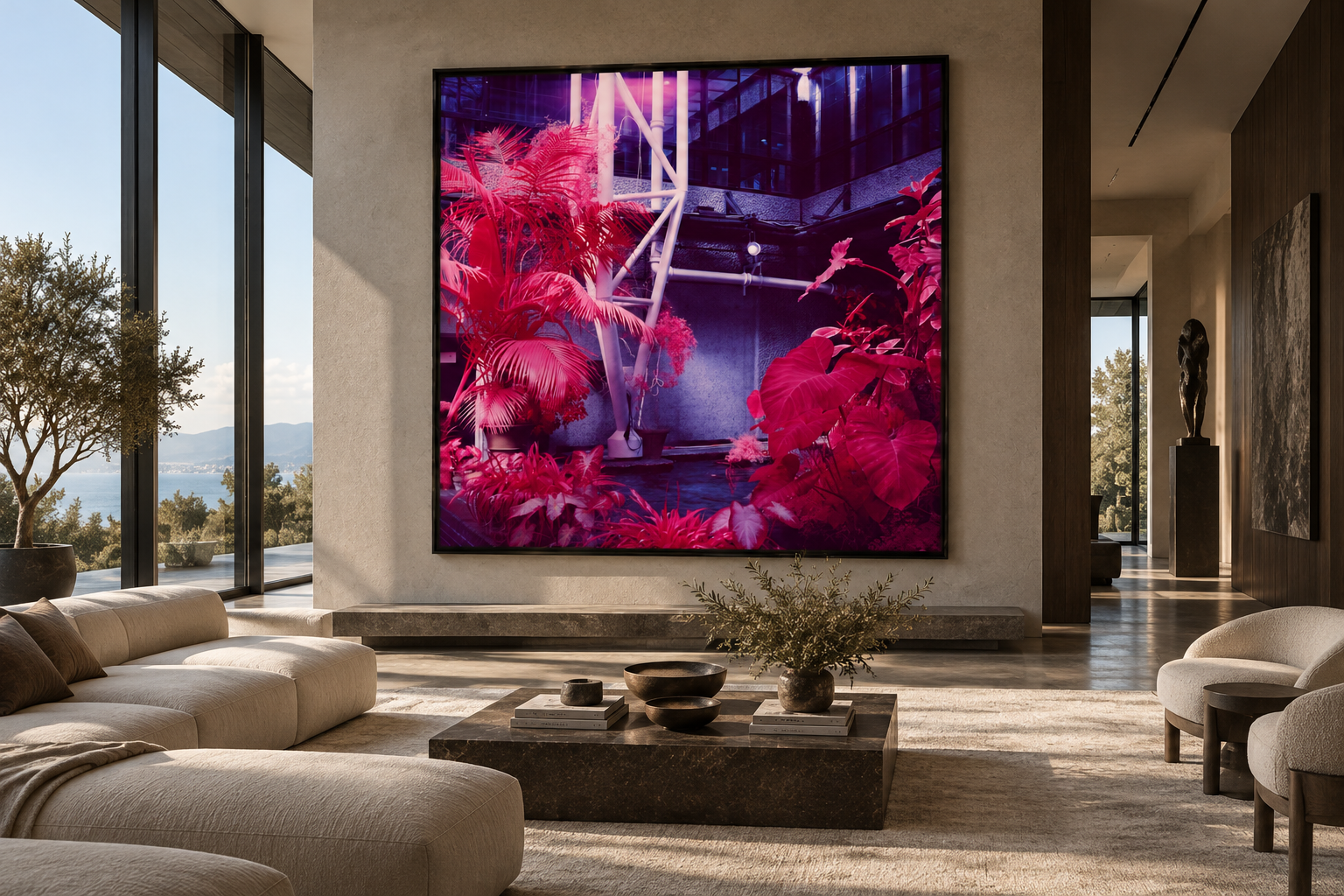
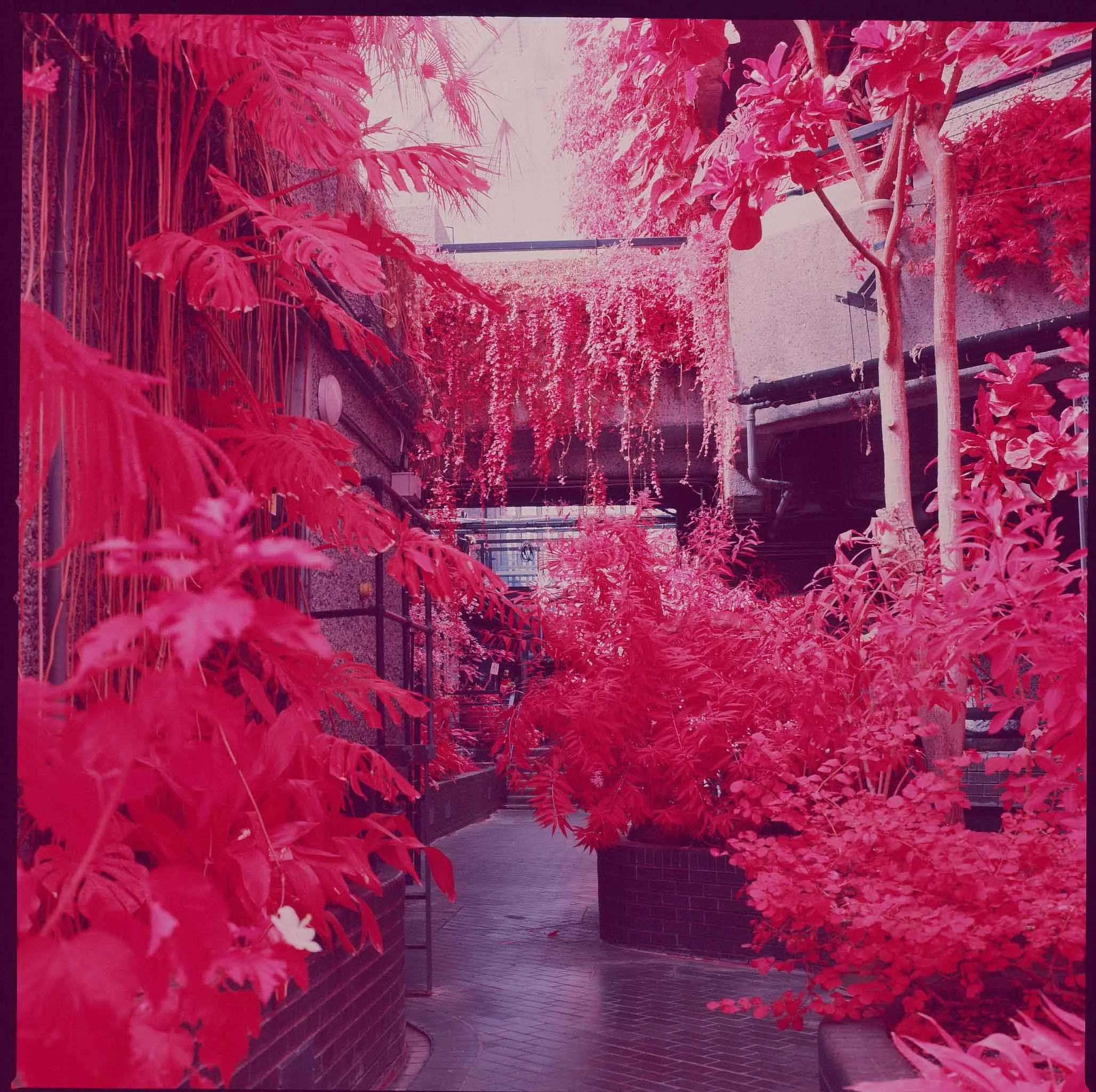
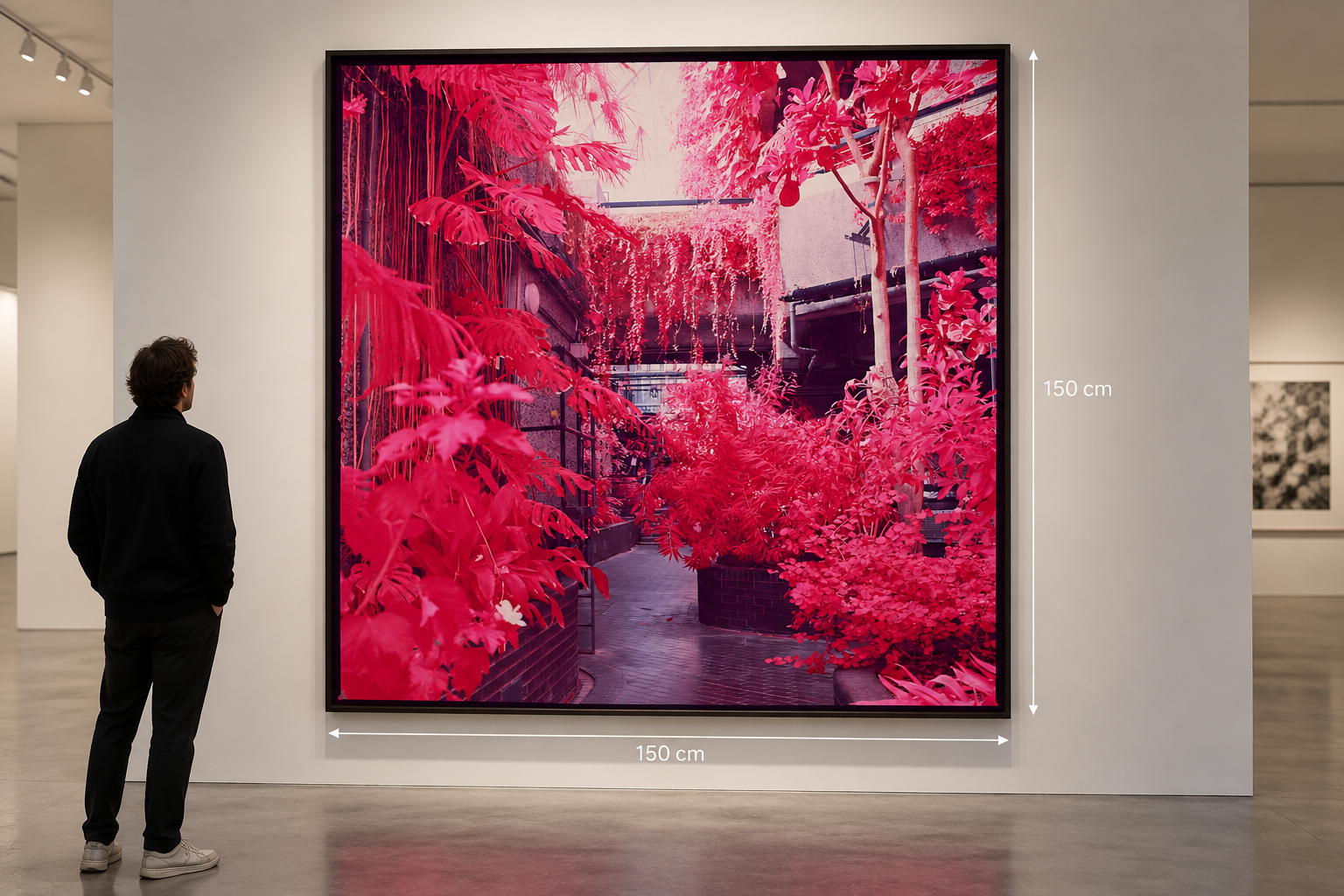
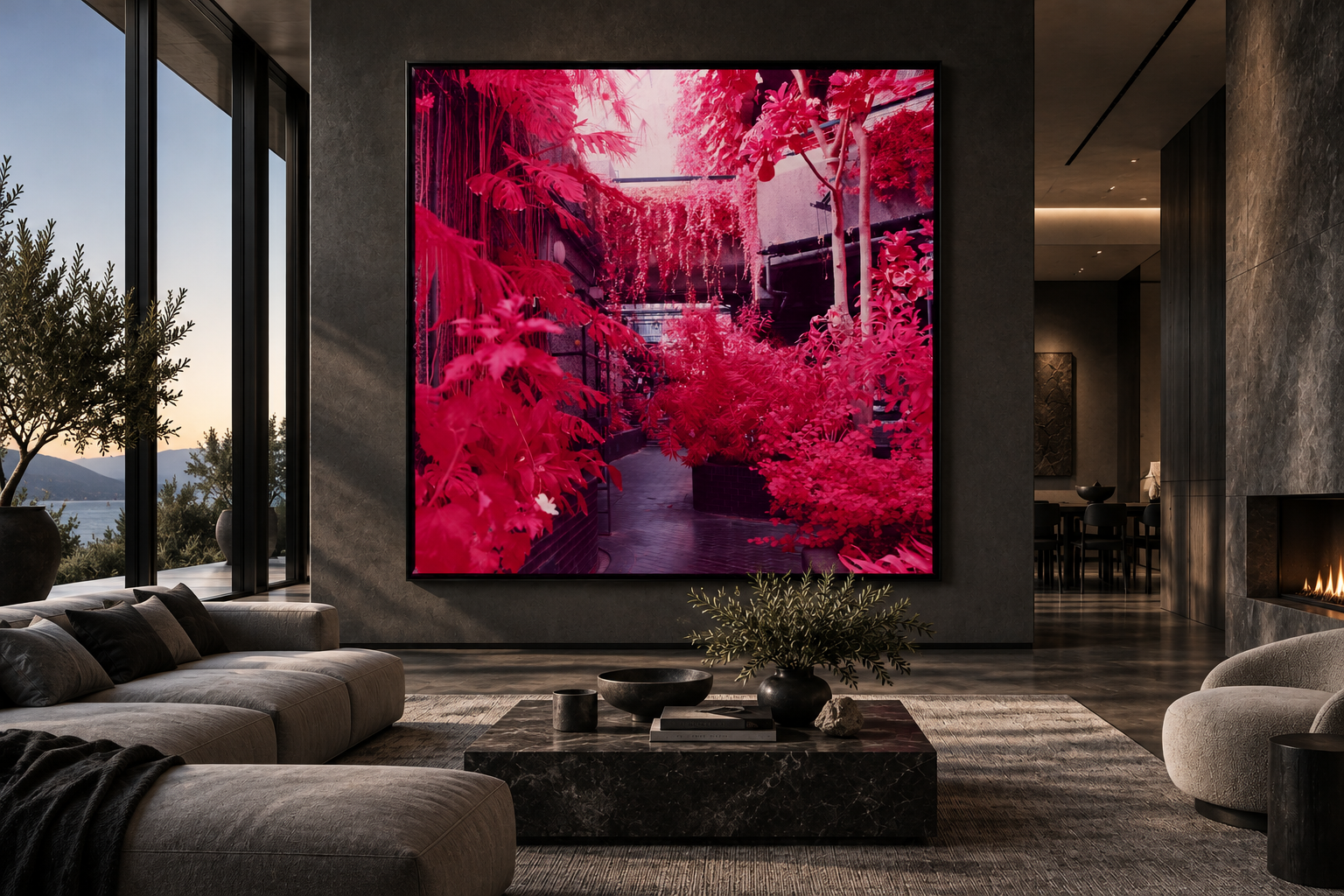
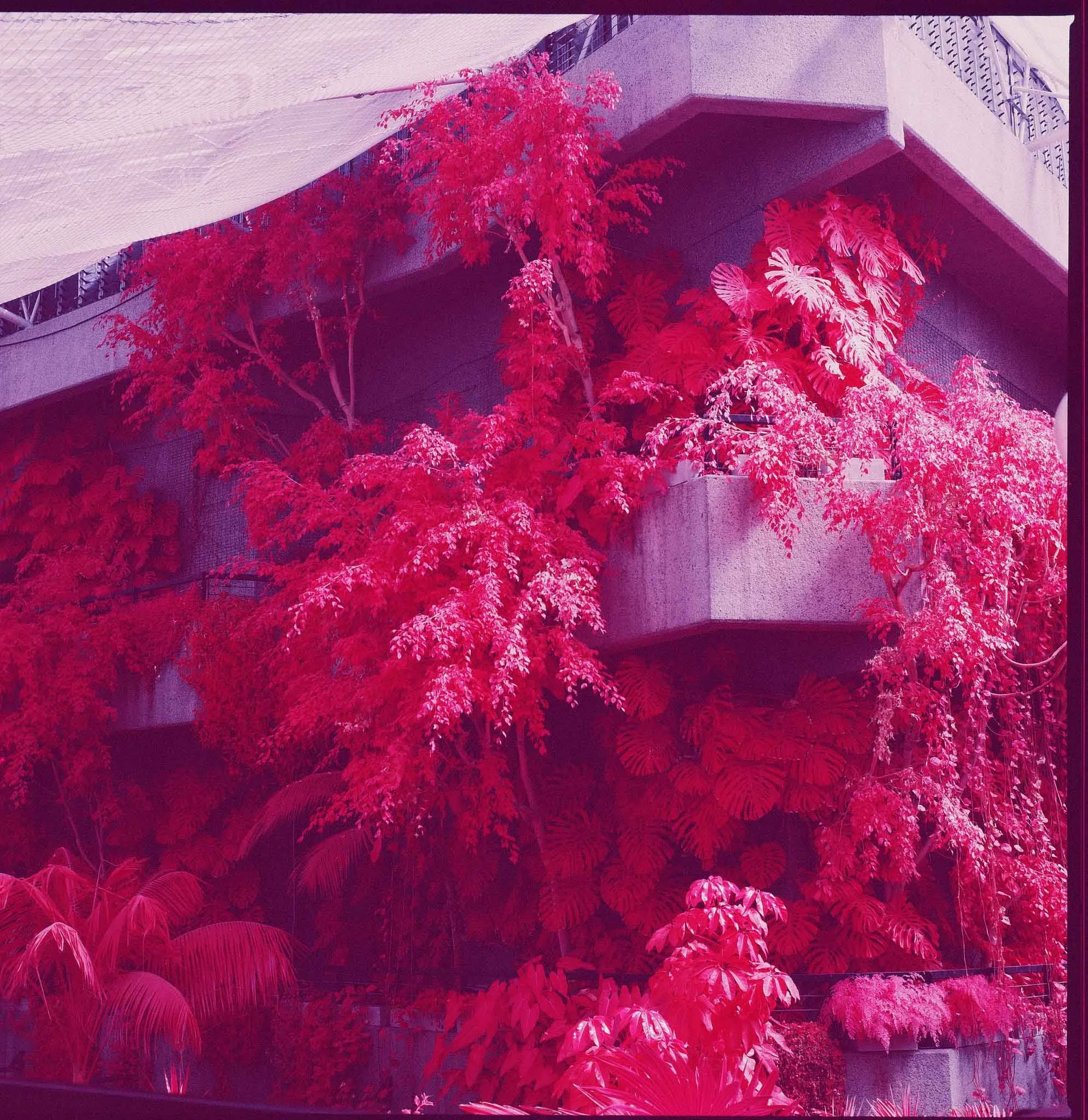
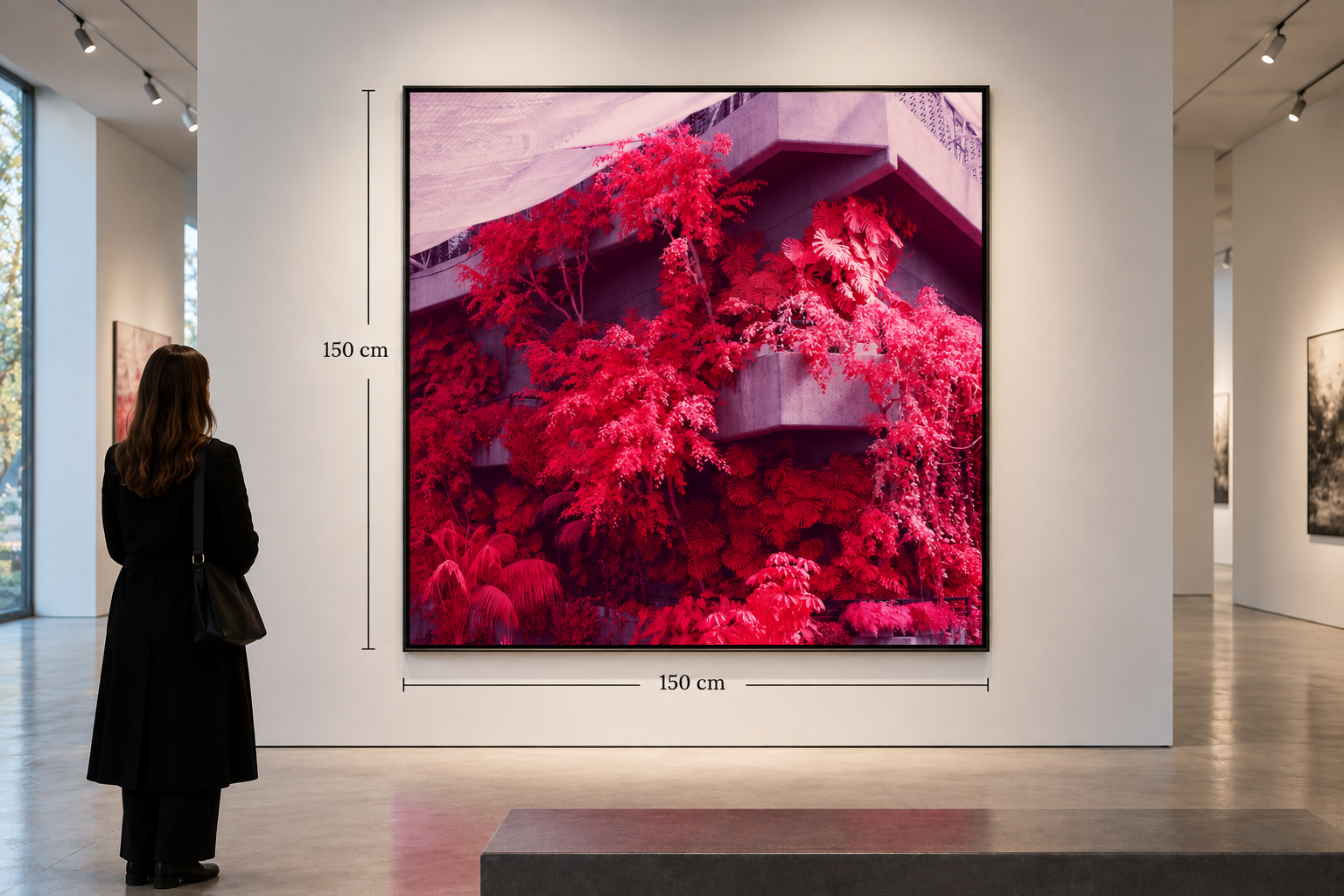
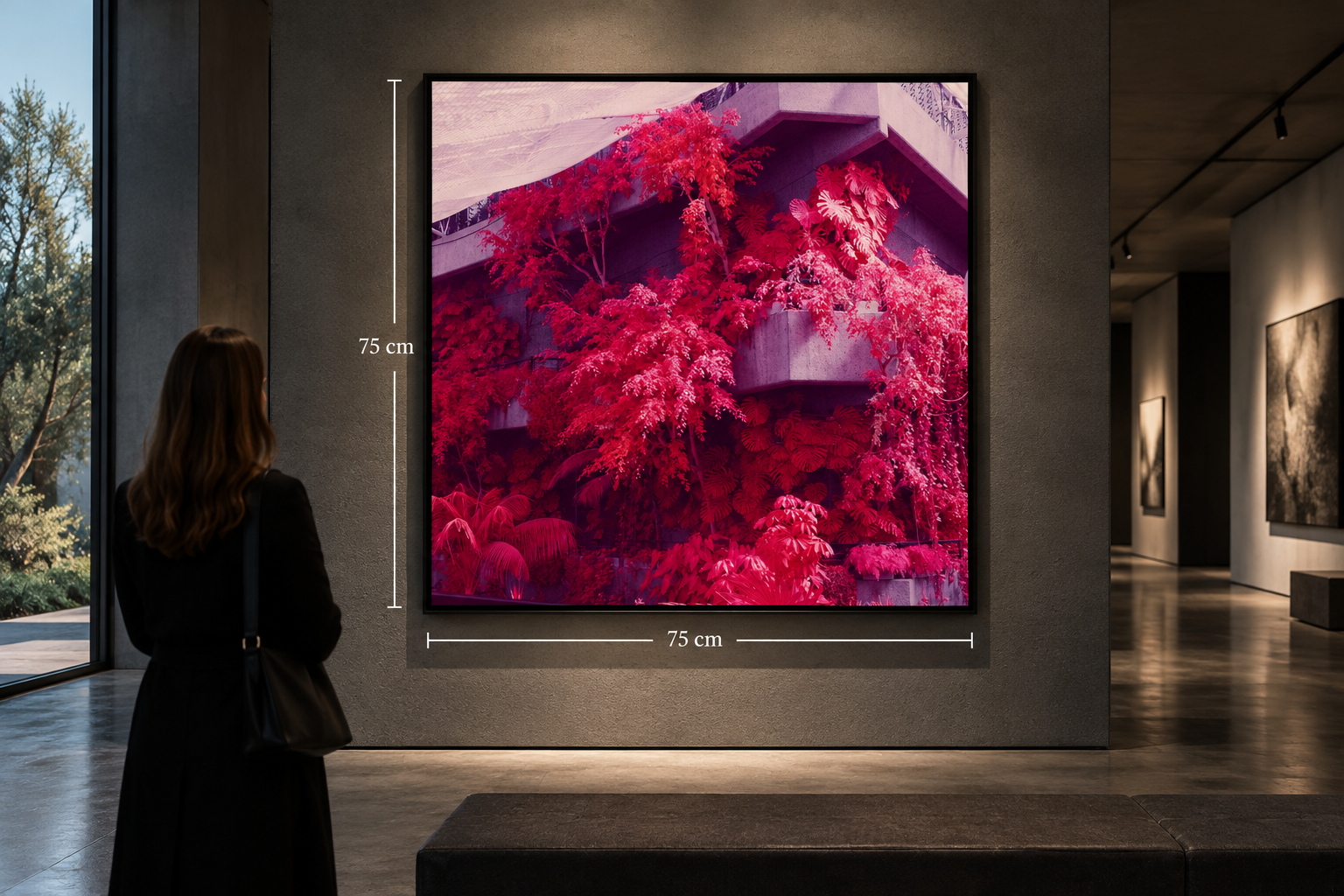
Hidden within one of London’s most celebrated Brutalist landmarks, the Barbican Conservatory offers an extraordinary contrast between concrete architecture and abundant tropical vegetation.
Originally conceived as part of the estate’s architectural vision, the conservatory has become a living environment inhabited by plants that soften the monumental structure.
Photographed on Aerochrome film, the familiar hierarchy is reversed. The imposing concrete recedes as vegetation takes centre stage, its vivid colours suggesting a natural world gradually reclaiming the man-made.
Beer’s images explore the delicate balance between architectural control and organic growth, revealing how nature can transform even the most uncompromising built environments.
Available prints – Barbican
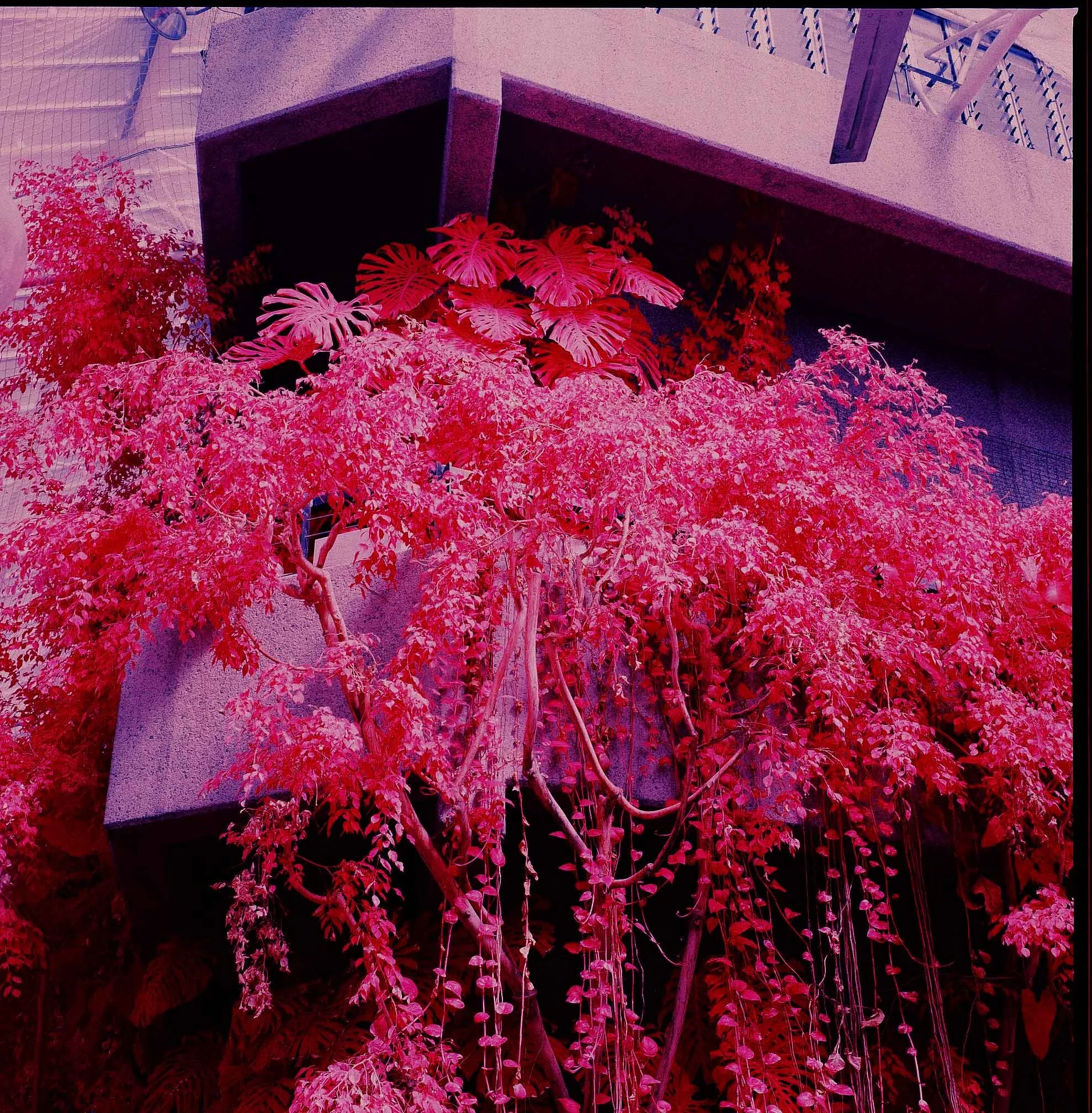
BARBICAN # 01
Edition of 50
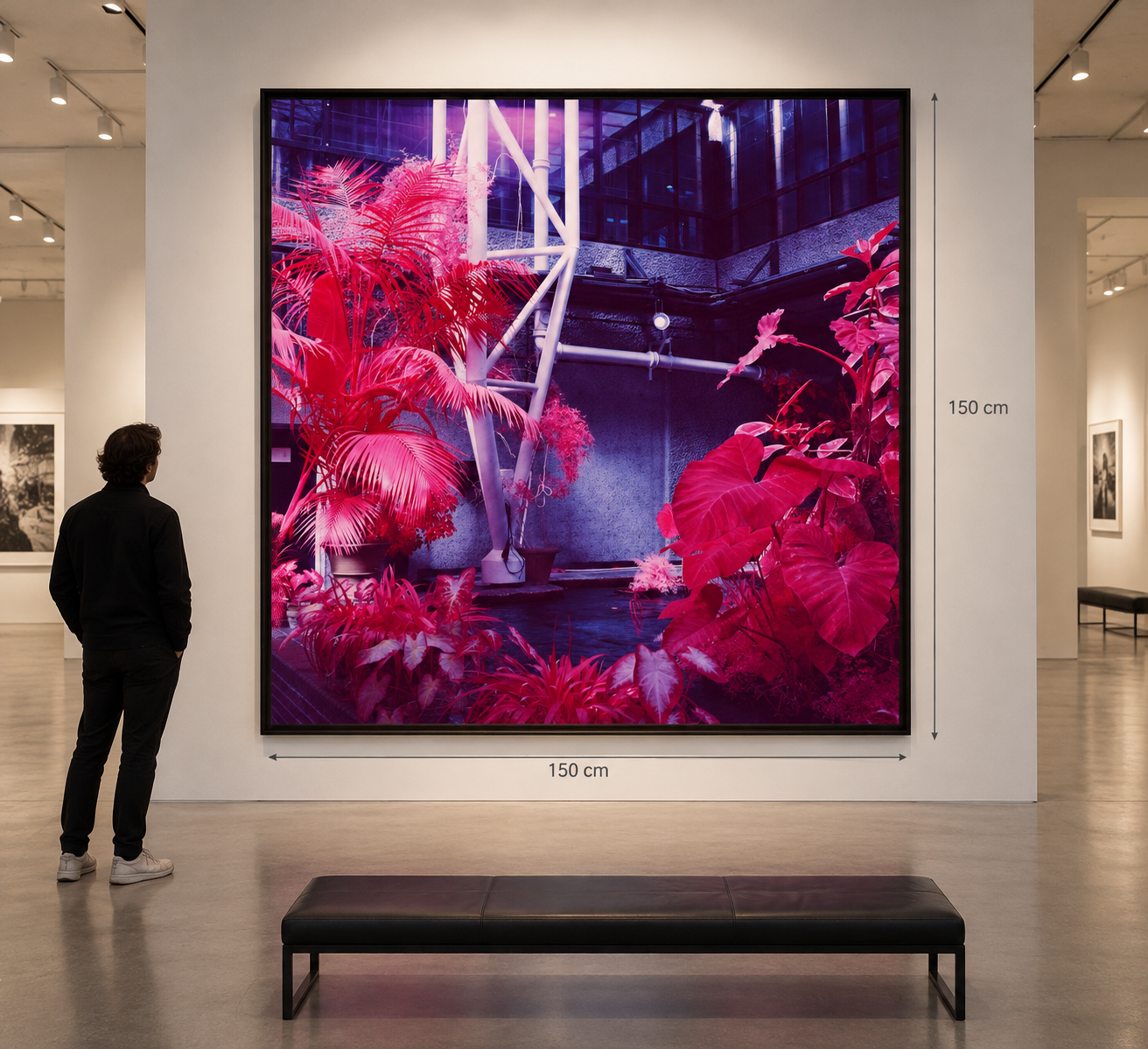
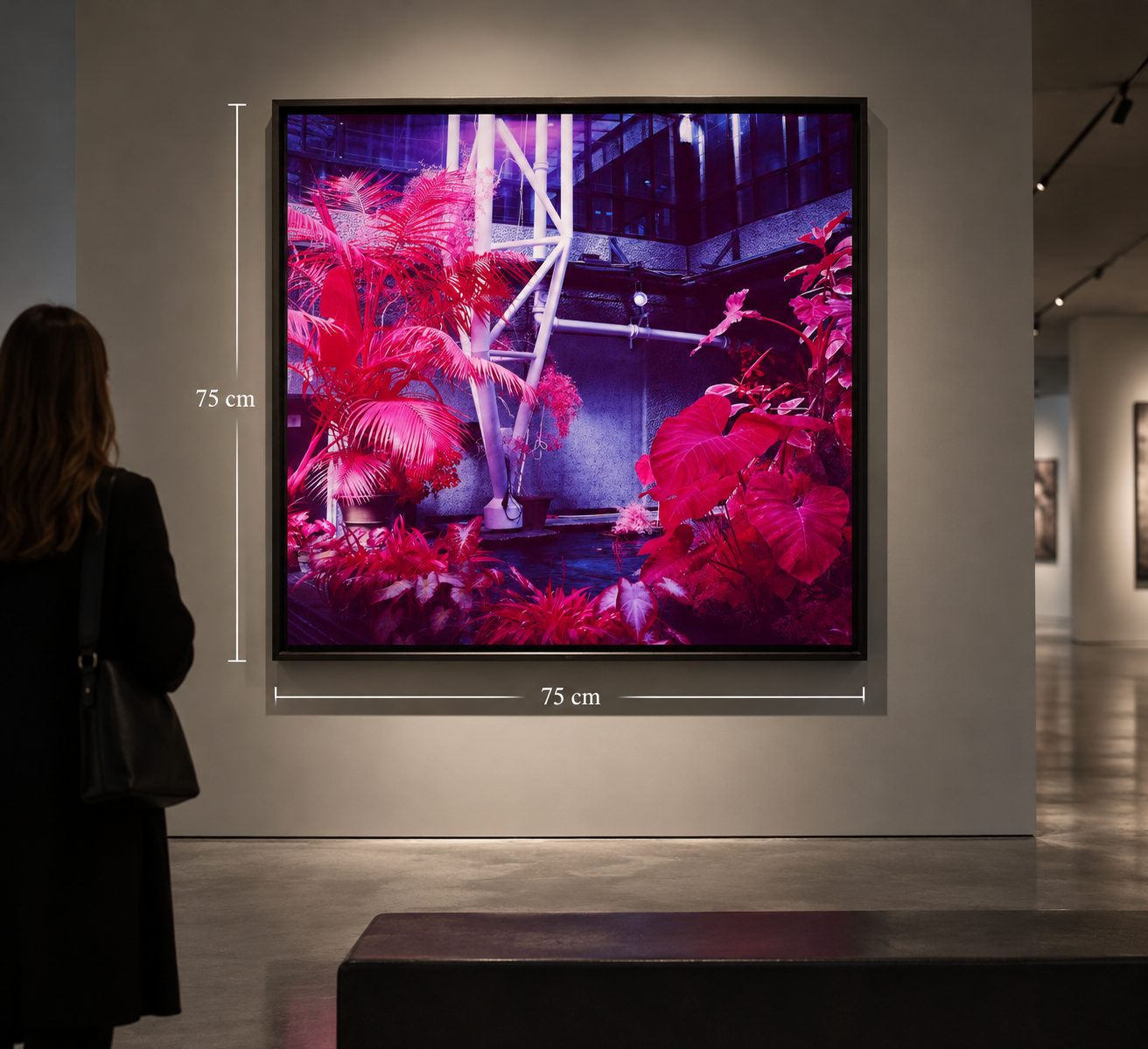
Dimensions: 150 x 150 cm or 75 x 75 cm
£ Framed
£ Unframed
For enquiries please contact Jonathan Casciani – Jonathan at beameditions.uk
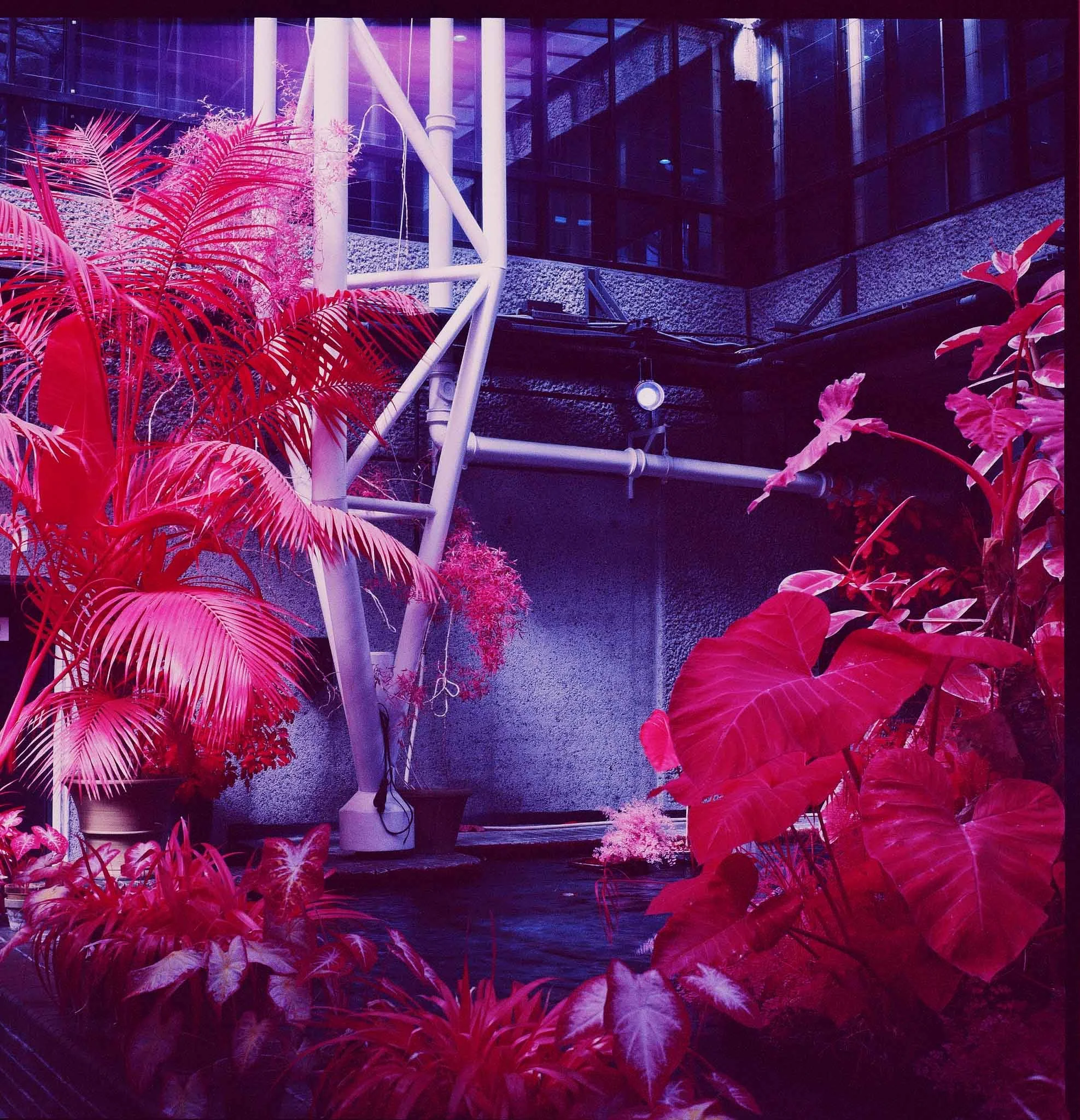
BARBICAN # 02
Edition of 50
Dimensions: 150 x 150 cm or 75 x 75 cm
£ Framed
£ Unframed
For enquiries please contact Jonathan Casciani – Jonathan at beameditions.uk
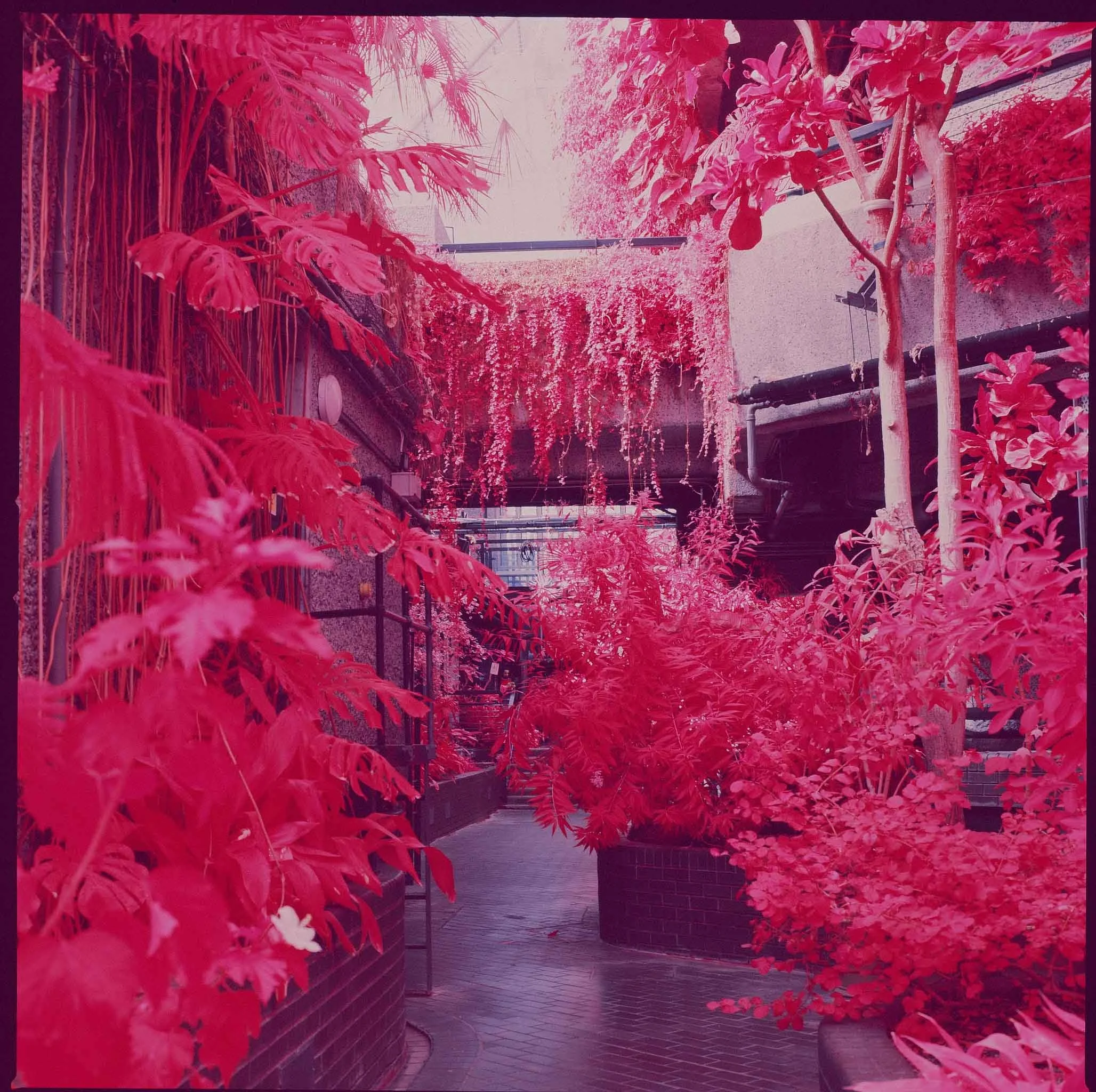
BARBICAN # 03
Edition of 50
Dimensions: 150 x 150 cm or 75 x 75 cm
£ Framed
£ Unframed
For enquiries please contact Jonathan Casciani – Jonathan at beameditions.uk
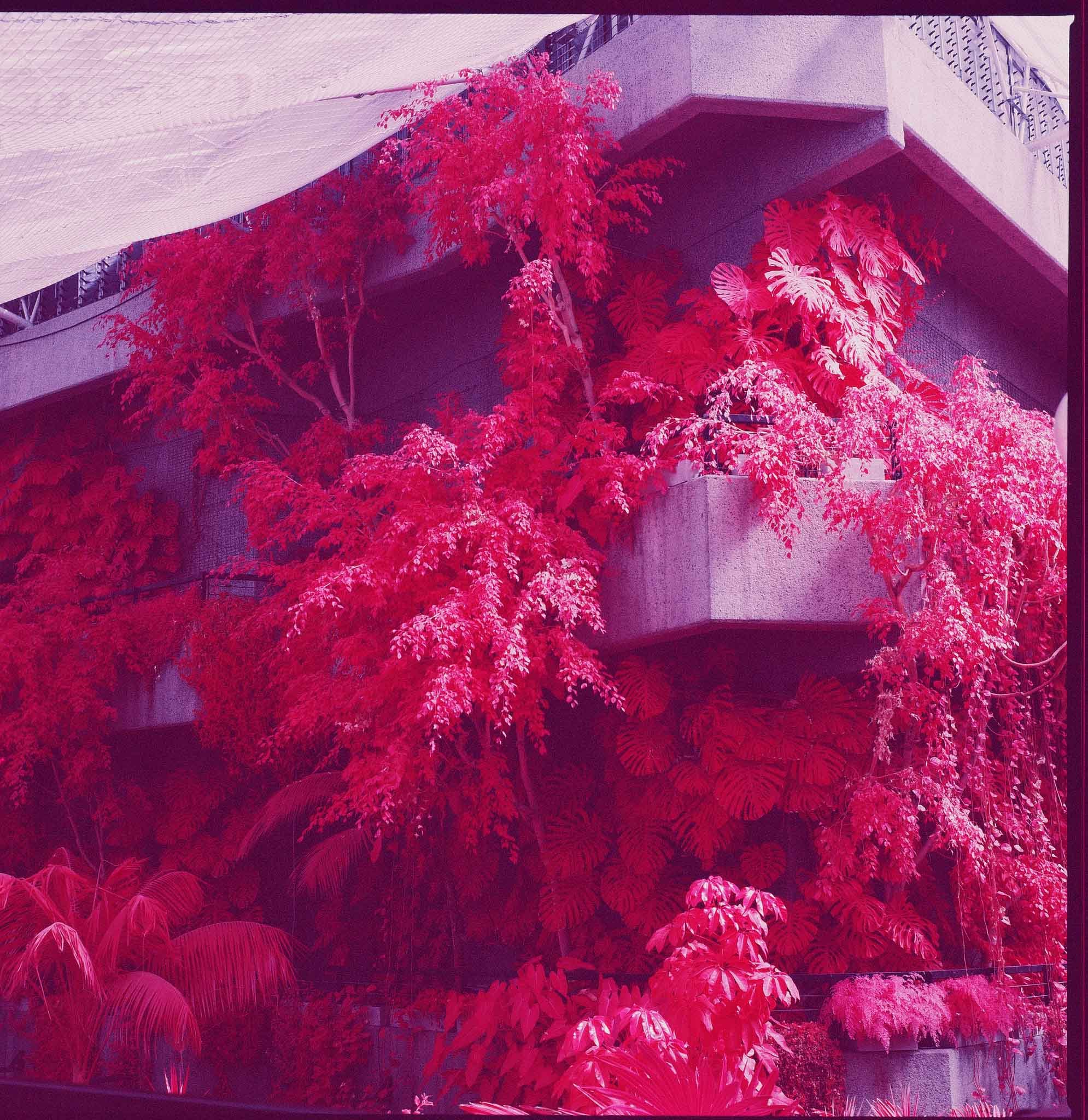
BARBICAN # 04
Edition of 50
Dimensions: 150 x 150 cm or 75 x 75 cm
£ Framed
£ Unframed
For enquiries please contact Jonathan Casciani – Jonathan at beameditions.uk
* Free delivery and installation for mainland UK.
ROYAL BOTANIC GARDEN EDINBURGH
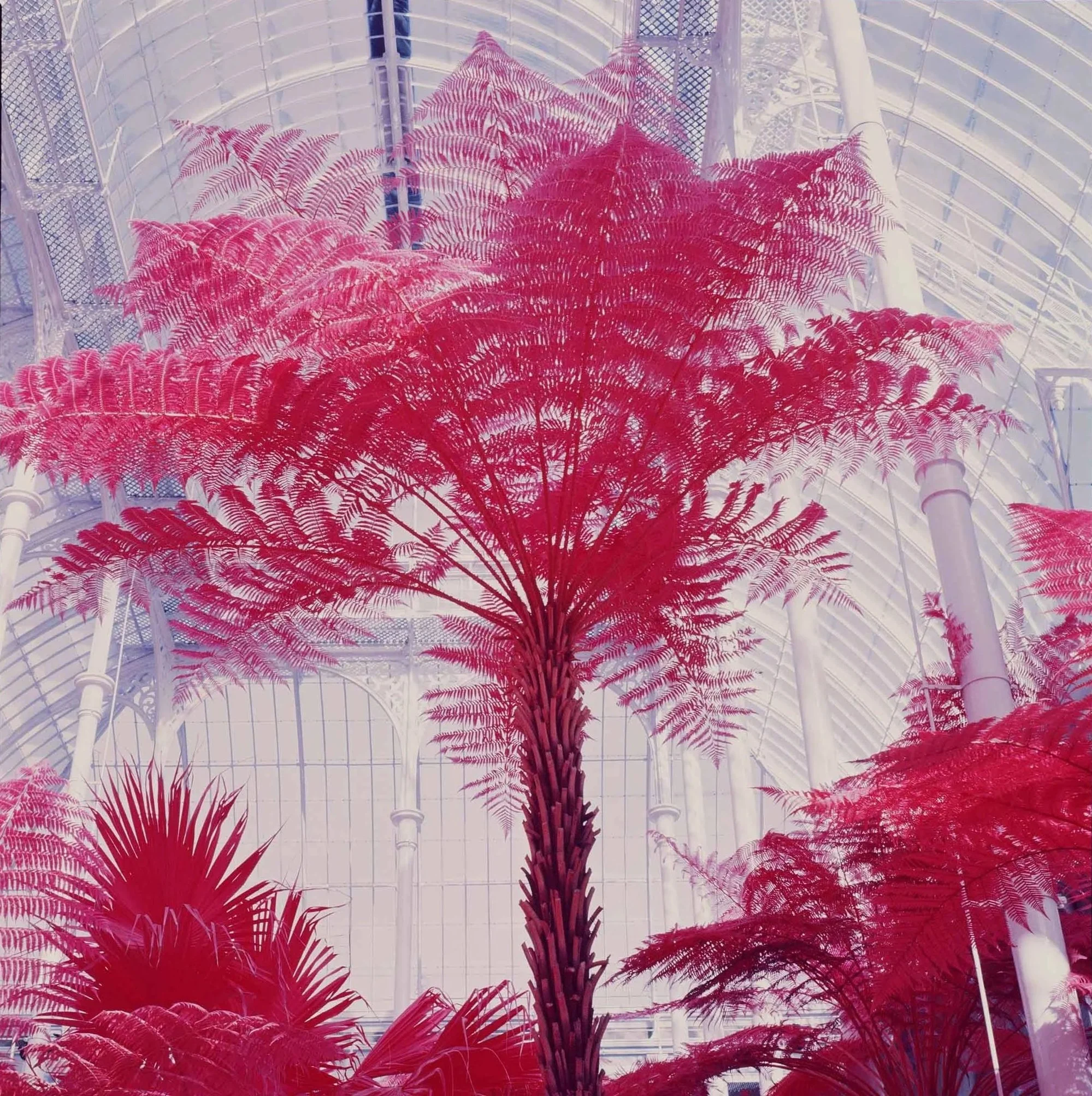
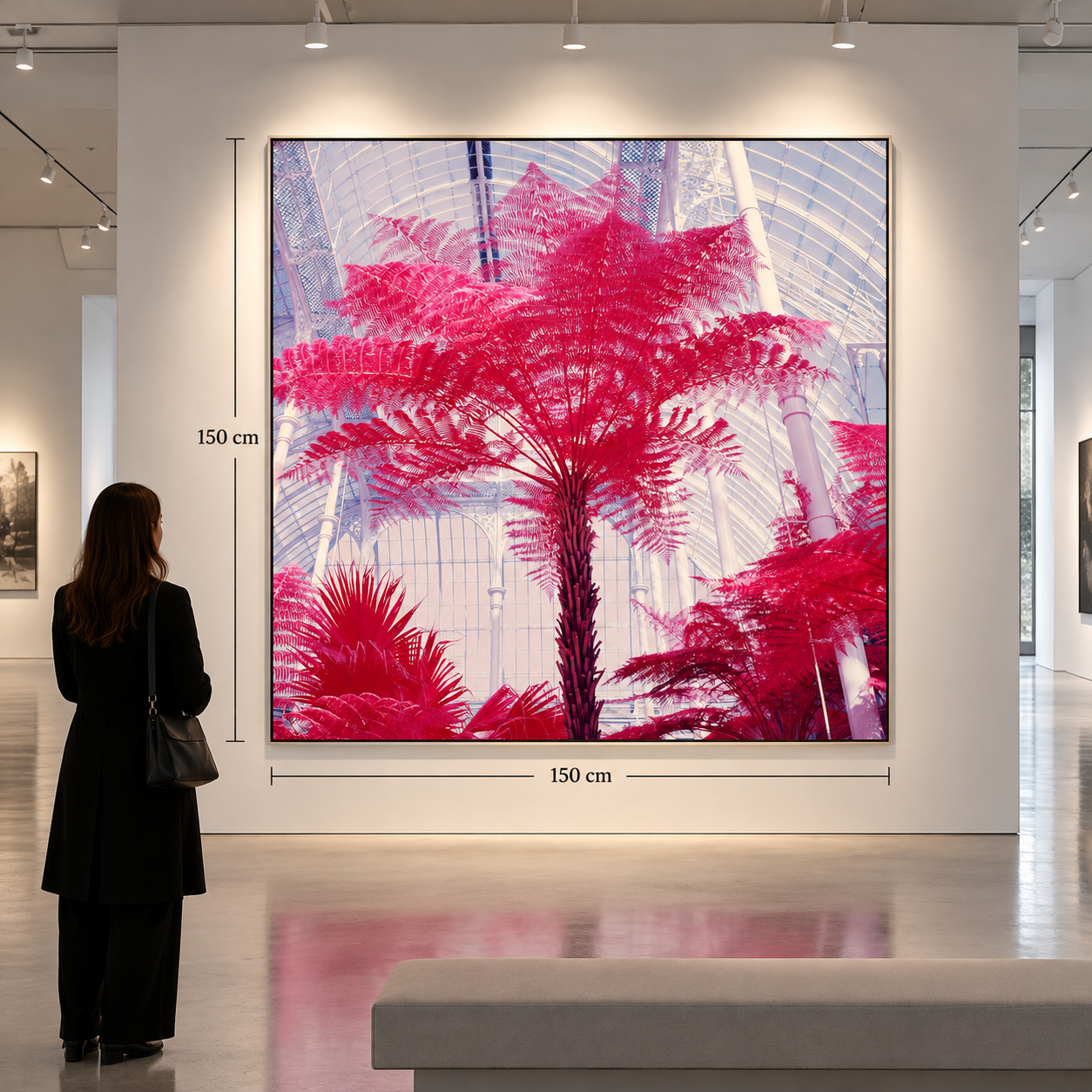
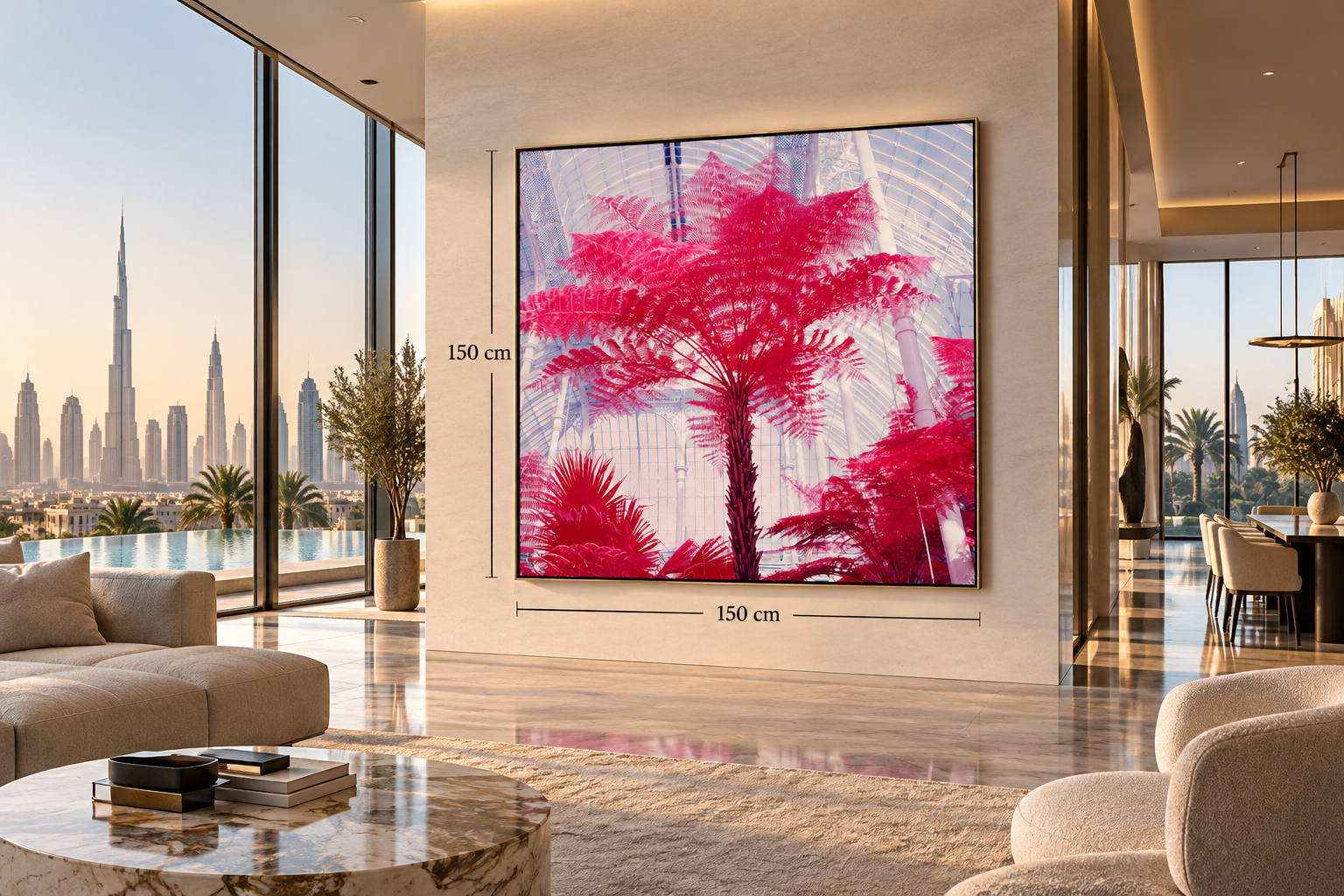
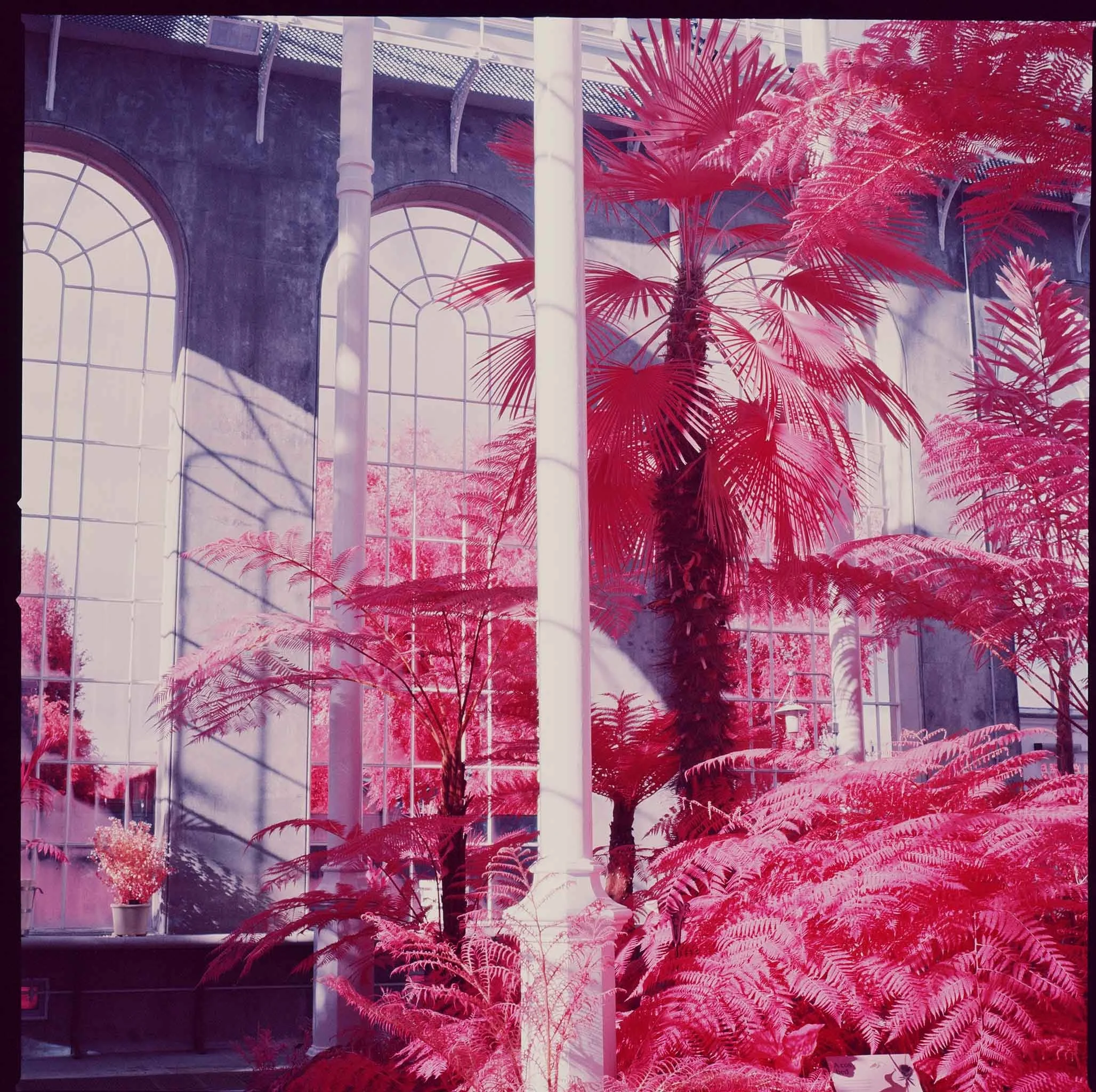
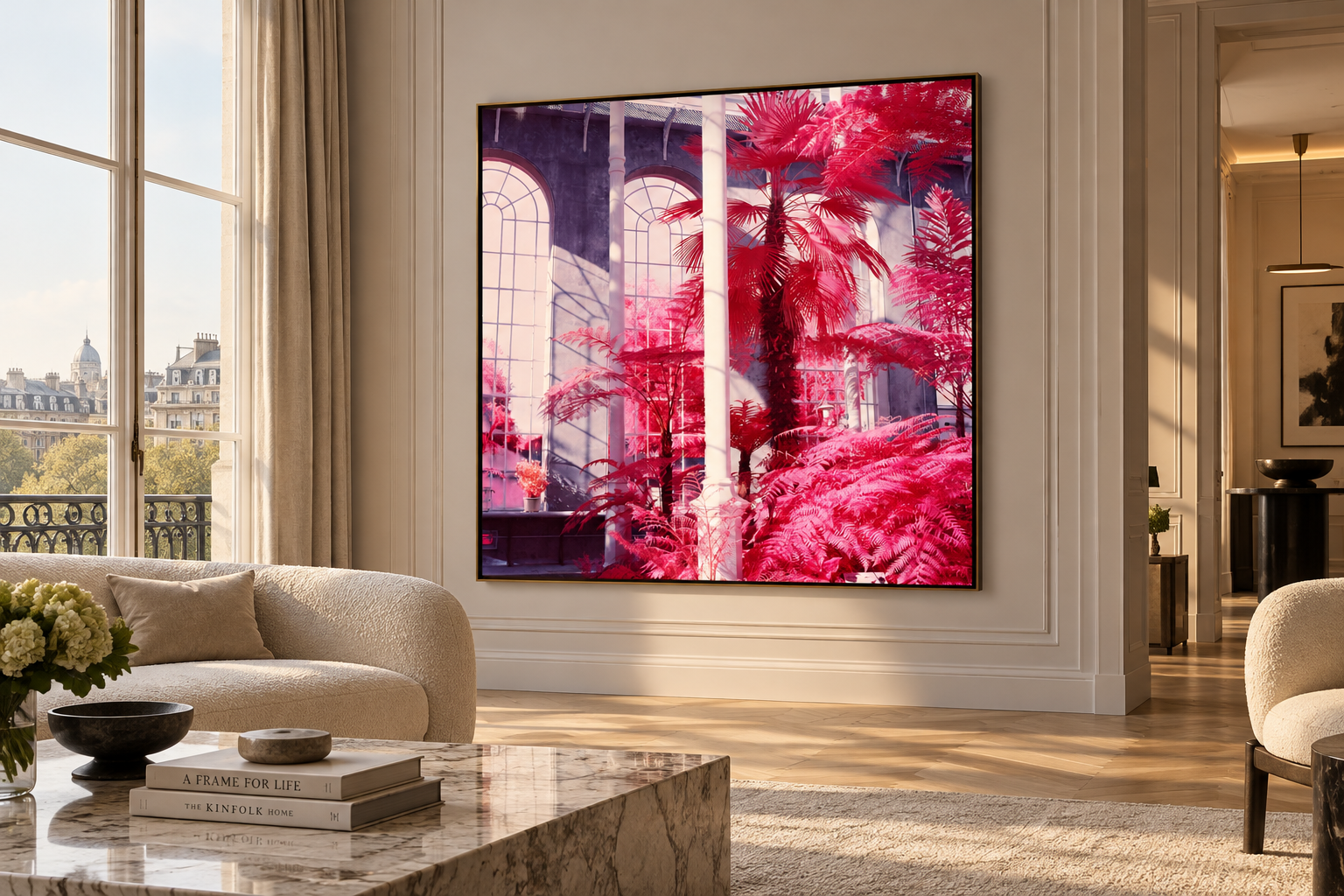
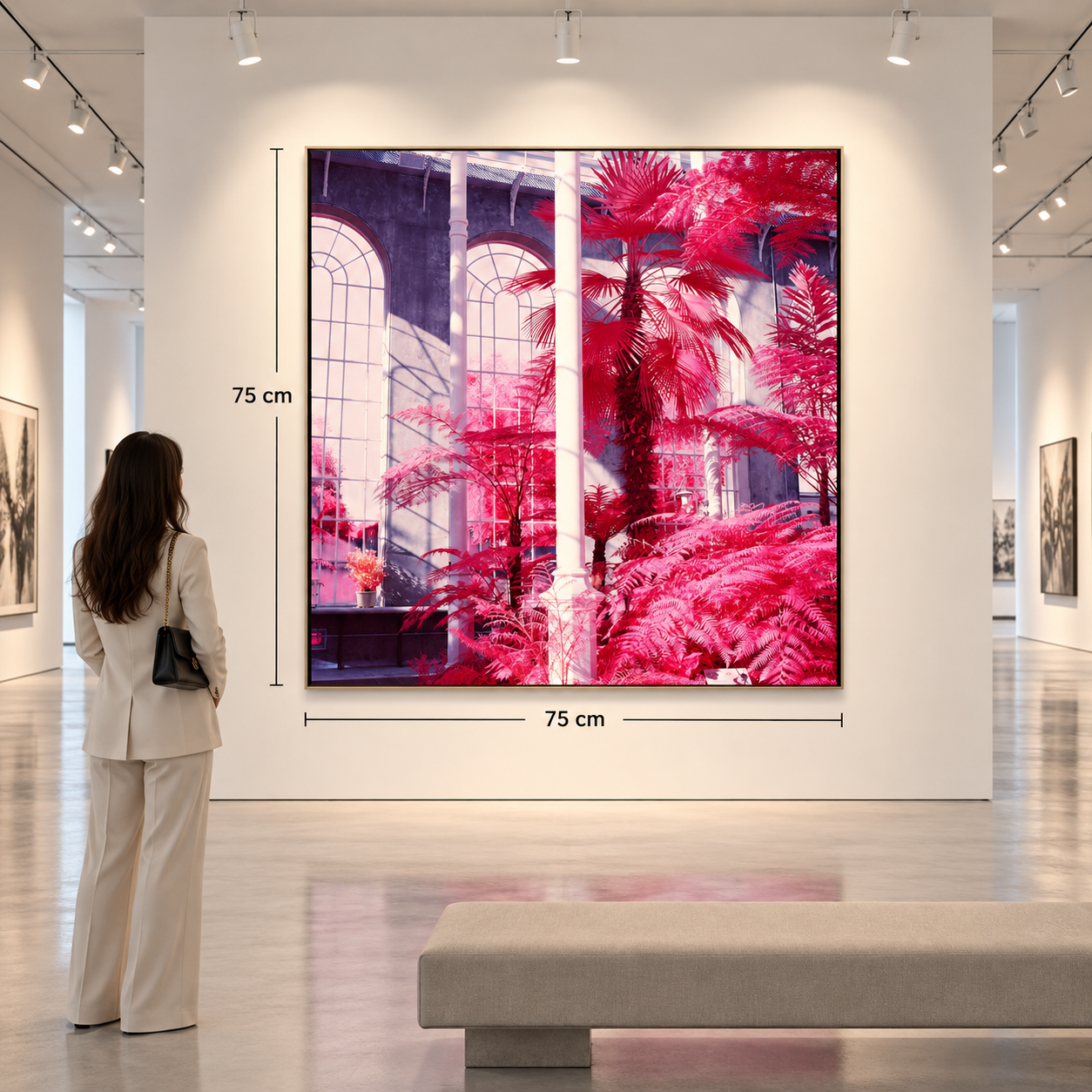
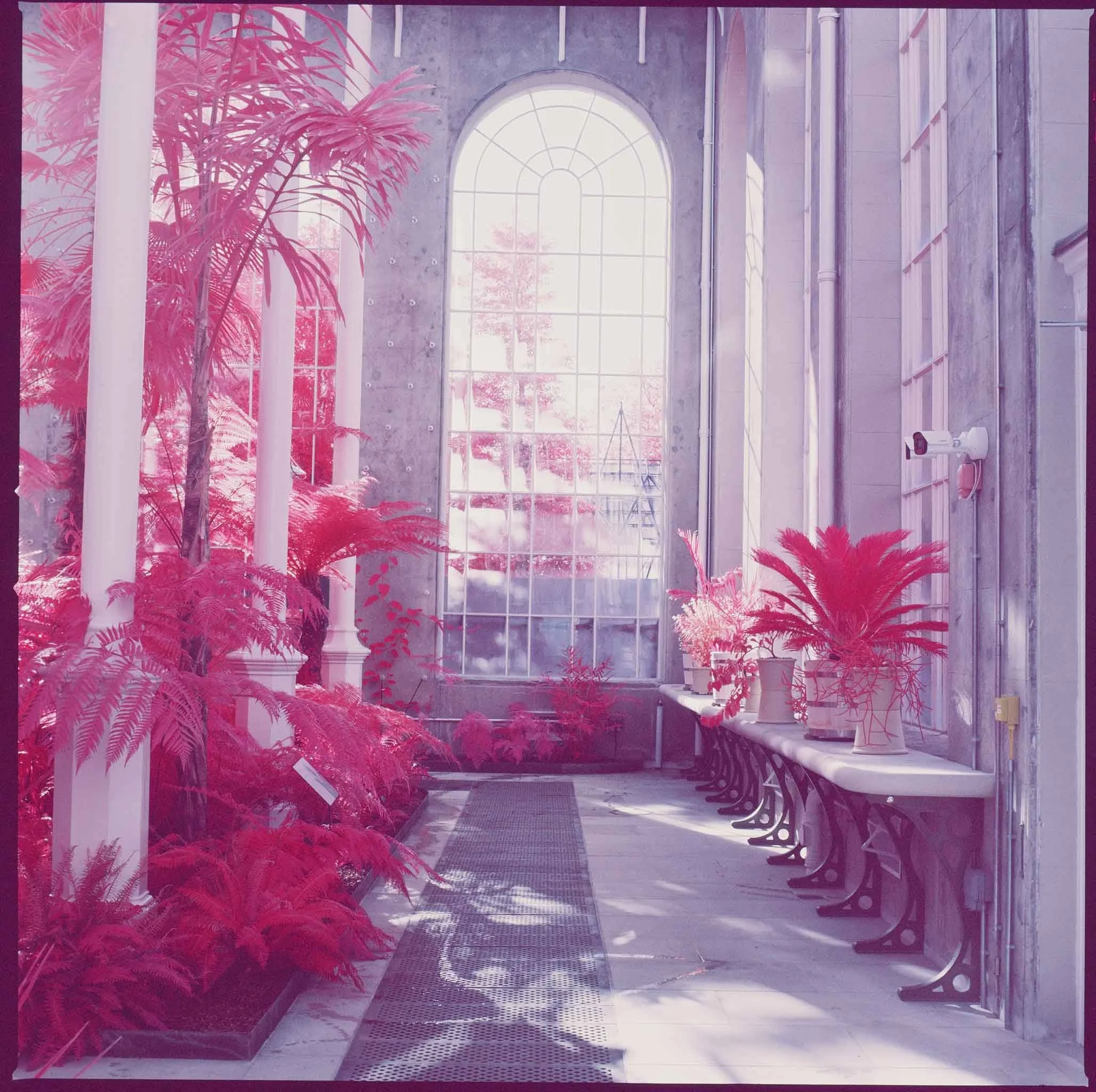
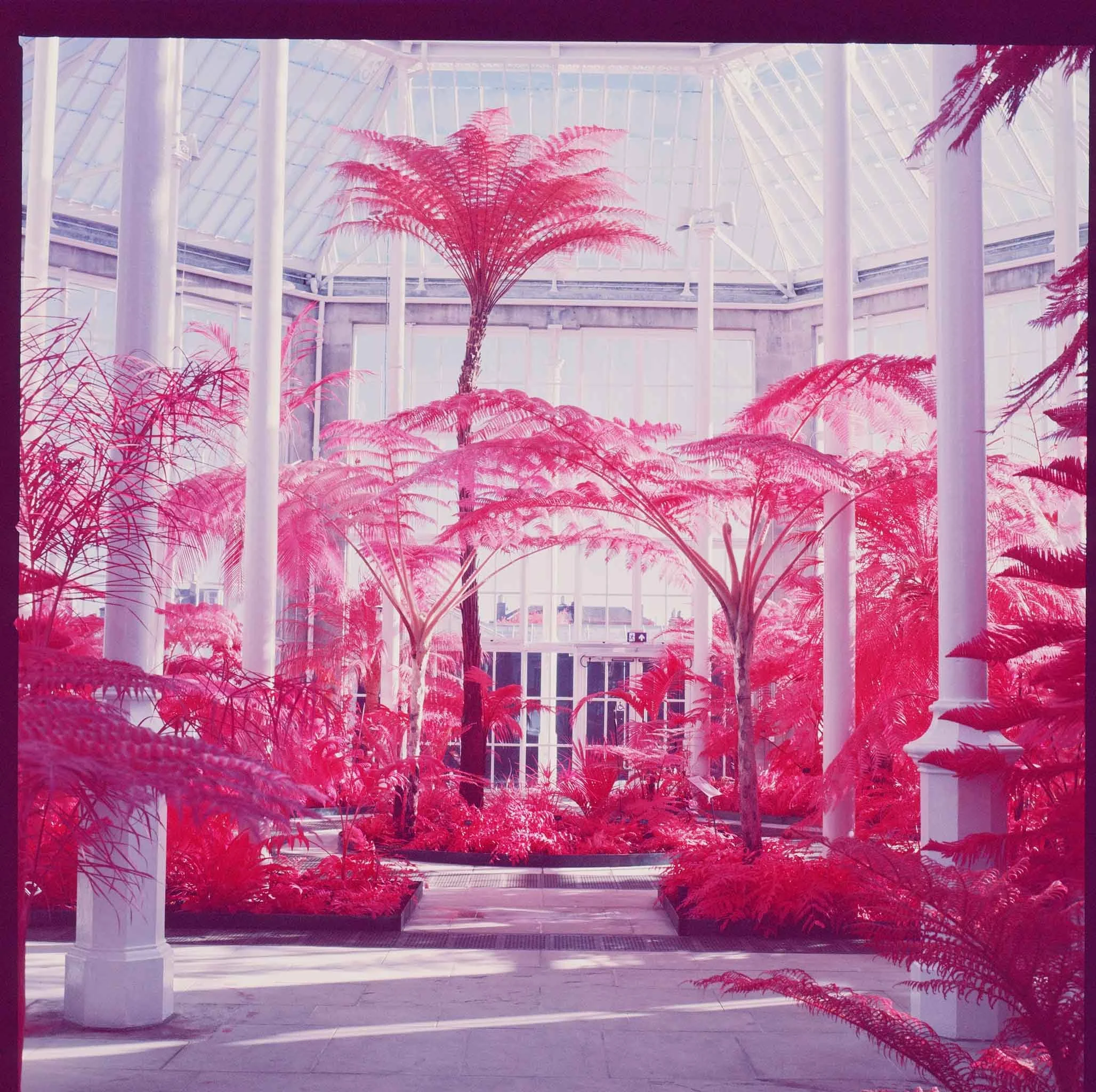
With a history spanning more than 350 years, the Royal Botanic Garden Edinburgh has long been a centre for botanical research, conservation and the study of plants.
Within its historic glasshouses, architecture exists to nurture and protect the natural world. Victorian structures of glass and iron create environments in which plants from different climates can flourish.
Light filters through the glass, illuminating intricate foliage and architectural details. Through Aerochrome’s extraordinary colour palette, these spaces become otherworldly, revealing the beauty and fragility of the relationship between plants and the structures that sustain them.
The photographs invite reflection upon our dependence on the natural world, not only for beauty, but for health, biodiversity and the future of our environment.
Available prints – Royal Botanic Garden
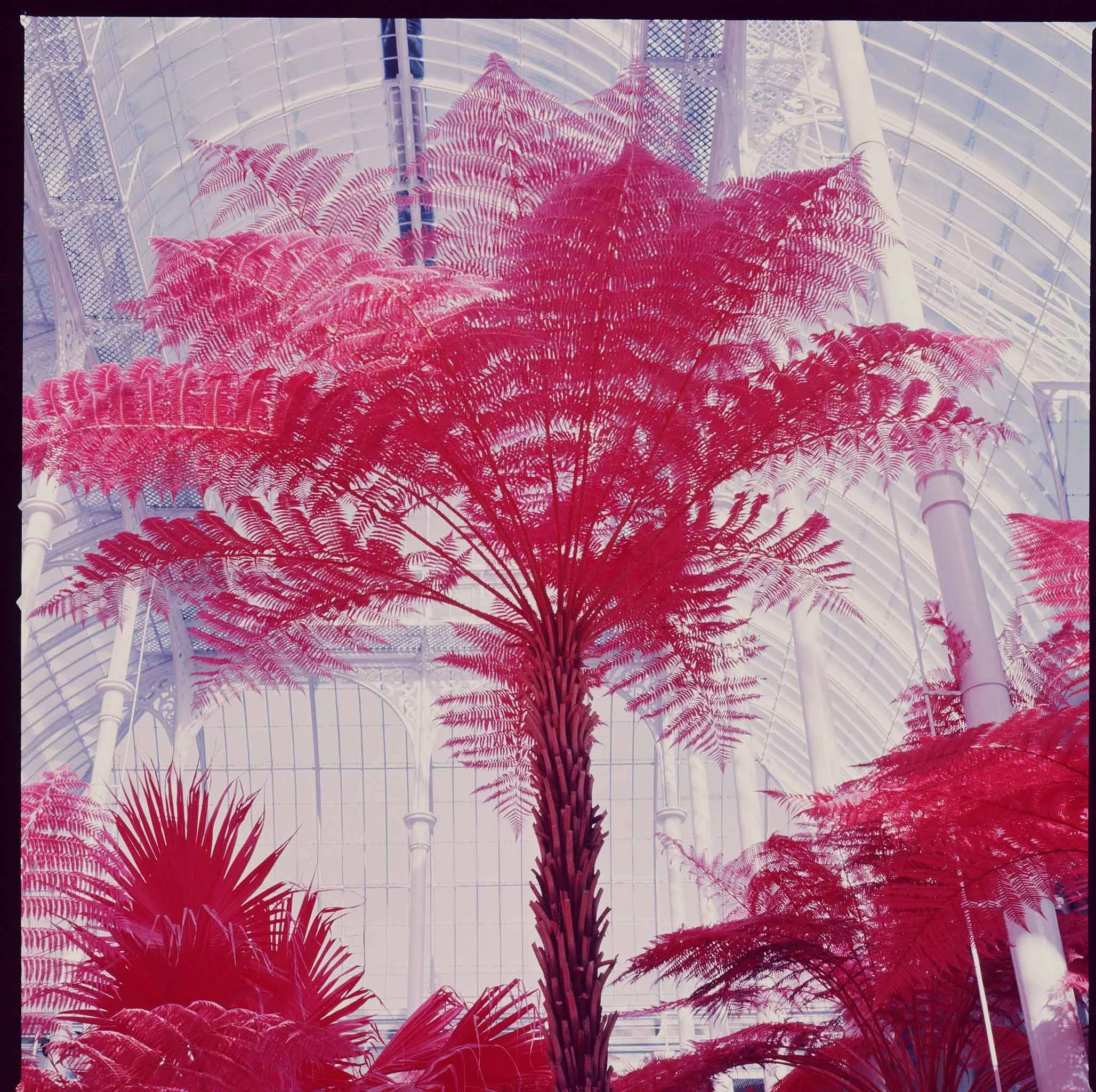
ROYAL BOTANIC GARDEN # 01
Edition of 50
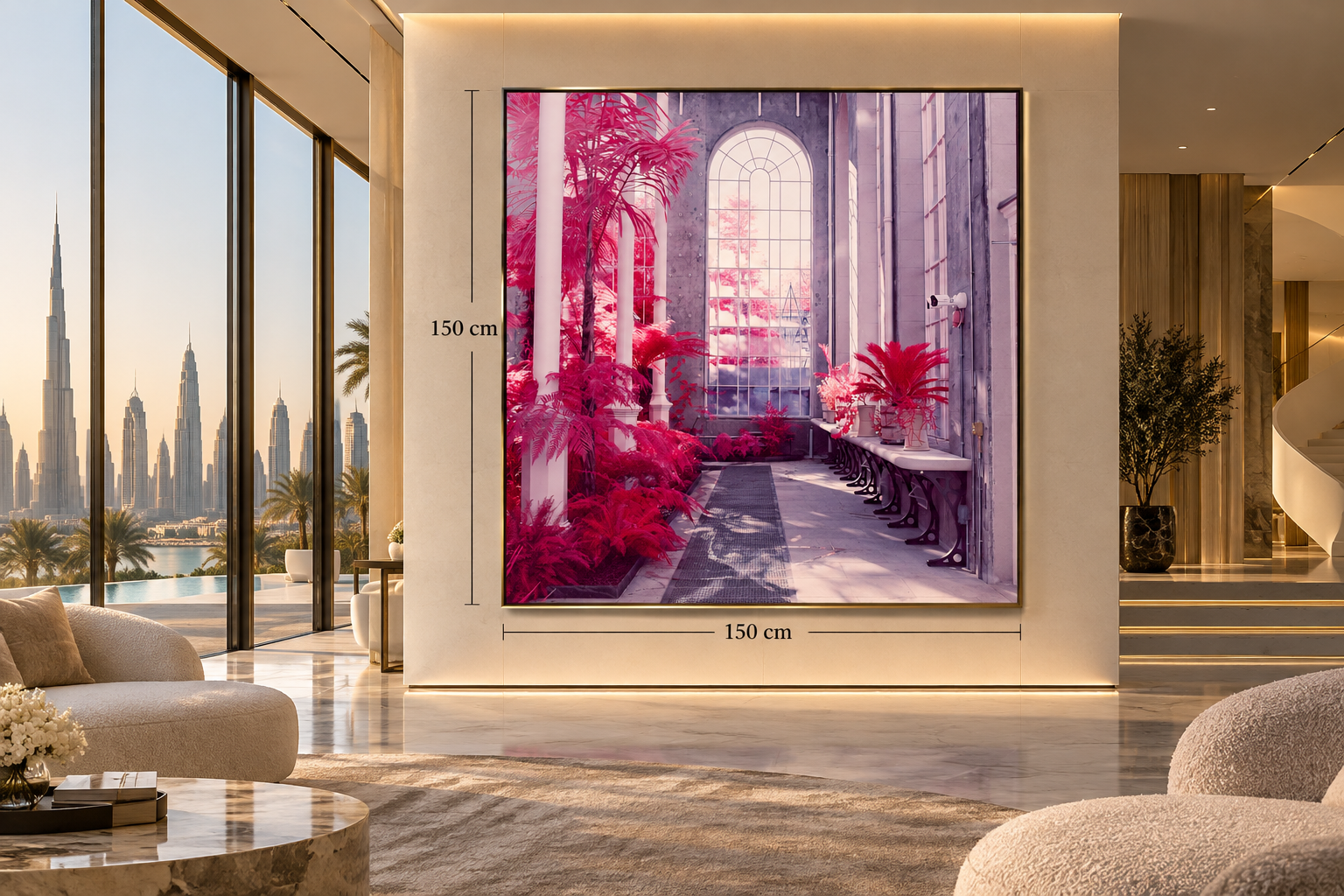
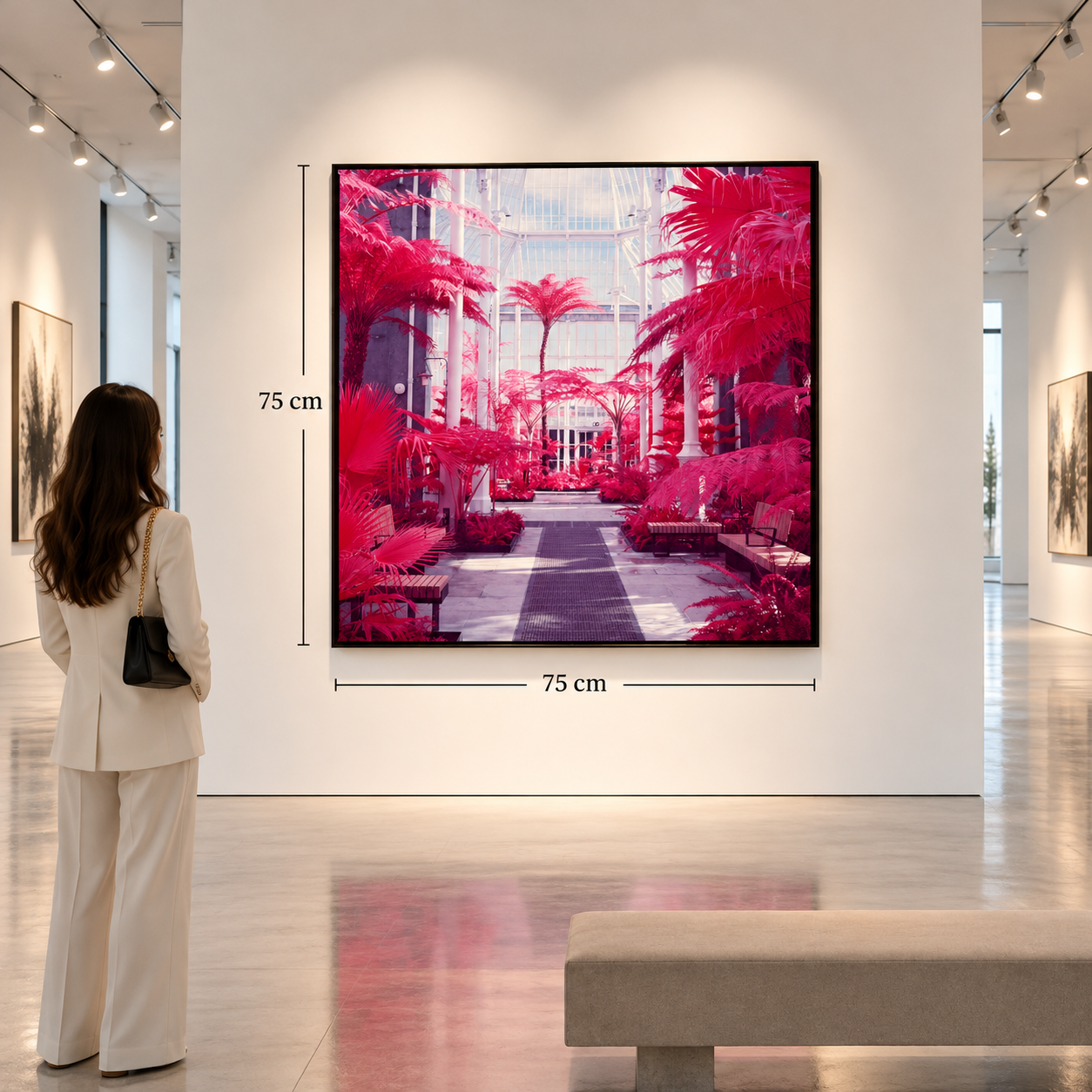
Dimensions: 150 x 150 cm or 75 x 75 cm
£ Framed
£ Unframed
For enquiries please contact Jonathan Casciani – Jonathan at beameditions.uk
ROYAL BOTANIC GARDEN # 02
Edition of 50
Dimensions: 150 x 150 cm or 75 x 75 cm
£ Framed
£ Unframed
For enquiries please contact Jonathan Casciani – Jonathan at beameditions.uk
ROYAL BOTANIC GARDEN # 03
Edition of 50
Dimensions: 150 x 150 cm or 75 x 75 cm
£ Framed
£ Unframed
For enquiries please contact Jonathan Casciani – Jonathan at beameditions.uk
ROYAL BOTANIC GARDEN # 04
Edition of 50
Dimensions: 150 x 150 cm or 75 x 75 cm
£ Framed
£ Unframed
For enquiries please contact Jonathan Casciani – Jonathan at beameditions.uk
* Free delivery and installation for mainland UK.
The Journey and Discovery
Beyond the architectural subjects, What Is Built / What Is Alive is an exploration of the places, people and landscapes encountered along the way.
From the dense urban environments of London to the remarkable architectural landscapes of Mexico, Scandinavia and beyond, the project follows a journey shaped by curiosity and discovery.
Travelling through these environments, Beer documents not only the architecture itself but also the journey towards it, the changing landscapes, vegetation, colours, textures and unexpected encounters that reveal the character of each destination.
The process of discovery becomes as important as the final photograph. Some locations are carefully researched, while others emerge through exploration, allowing the surrounding environment to influence the direction of the work.
This approach creates a wider visual narrative, one that moves beyond individual buildings to consider the cultural, geographical and natural environments in which they exist.
Rather than simply documenting architectural landmarks, the project becomes a photographic journey into the different ways humanity lives alongside nature, and what these relationships might teach us about the future.
The Subversion of Aerochrome
The extraordinary reds and magentas of Kodak Aerochrome carry an unexpected history.
Developed during the Second World War for aerial reconnaissance, infrared-sensitive colour film was used to distinguish living vegetation from artificial camouflage. Its ability to reveal what the human eye could not easily detect made it a powerful instrument of military observation.
Decades later, Alexander Beer repurposes this rare photographic material to explore an entirely different relationship with the natural world.
Sourcing unused rolls of discontinued Aerochrome film, Beer transforms a technology originally associated with surveillance and conflict into a medium for artistic exploration and environmental reflection.
What was once used to expose and identify becomes a means of discovering, celebrating and reconsidering the natural world.
A material developed to reveal what was hidden in warfare now reveals what we overlook in everyday life.
About Alexander Beer
Alexander Beer is a British photographer, filmmaker and multidisciplinary artist whose practice explores the natural world, human identity and communities often overlooked by mainstream culture.
Working across documentary photography, moving image and experimental analogue processes, Beer combines traditional photographic techniques with unconventional materials to challenge how we see and experience the world.
His work frequently examines the relationship between subject, environment and photographic process, allowing the medium itself to become an integral part of the narrative.
His numerous photographic portraits have been exhibited at the National Portrait Gallery in London, and his work has received recognition from the Taylor Wessing Photographic Portrait Prize, Portrait of Britain and the Palm Photo Prize. His filmmaking has also received international recognition, including a Straight 8 global award and Vimeo Staff Pick.
His work has also been exhibited at Kingston Museum in Kingston upon Thames, as part of a nine-month exhibition exploring the town's past and present. Beer was the sole contemporary artist selected to represent the present, placing his photographic work in dialogue with the borough's historical collections and heritage.
Alongside What Is Built / What Is Alive, Beer is developing Let the River Decide, an ambitious, multidisciplinary exploration of England's endangered chalk streams, bringing together photography, moving image, scientific microscopy and experimental photographic processes.
Across his practice, Beer seeks to make the familiar unfamiliar, revealing the beauty, complexity and fragility of worlds we often fail to notice.